Gas detector
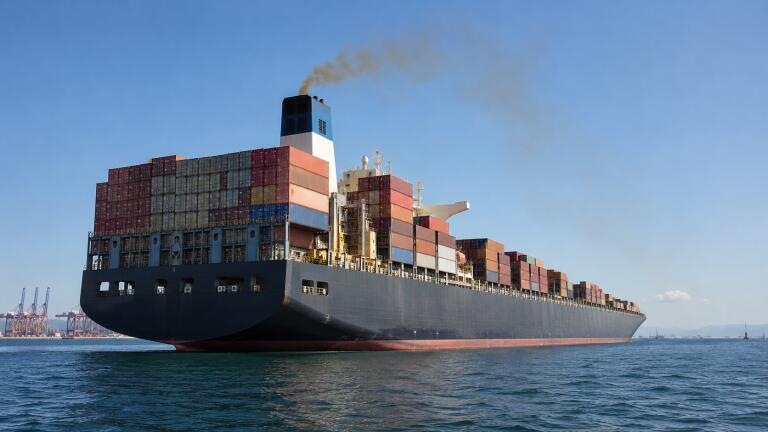
Voyages between an EU port and a non-EU port remain covered at 50 per cent, and time spent at berth in an EU port counts in full. The threshold remains vessels of 5,000 gross tonnage and above.
The more significant technical change for 2026 is the expansion of the gas species covered. Since the EU ETS Maritime Regulation was revised, the scheme has covered only carbon dioxide.
From this year, methane and nitrous oxide are counted alongside CO2 on a carbon dioxide-equivalent basis.
Both gases carry substantially higher global warming potential than CO2, which means vessels with meaningful methane slip – principally LNG-fuelled ships, where unburned methane escapes during combustion, storage and bunkering – face a materially higher compliance cost than a CO2-only calculation would suggest, as do vessels running conventional fuels through processes that generate nitrous oxide.
The reporting and surrender calendars run separately. Verified emissions reports for a given year are due by 31 March of the following year; allowance surrender against those verified emissions follows by 30 September.
That lag means the full financial impact of 100 per cent coverage for 2026 emissions will not be settled until the September 2027 surrender date, even though the obligation itself has already stepped up to full coverage this year.
The cost implications are becoming visible in freight pricing.
Allowance prices have traded in roughly the €74 to €90 per tonne range through 2026, according to industry commentary; on that basis, one shipping-cost analysis puts the EU ETS bill for a single large container vessel on an Asia–Europe voyage in the range of £250,000 to £400,000, though this figure comes from a single industry source rather than an official EU calculation and should be treated as an illustrative estimate, not a verified benchmark.
The same analysis estimates total container-industry EU ETS costs rising from roughly $1.4 billion in 2025 to a projected $2.7 billion in 2026, again on an unverified industry basis.
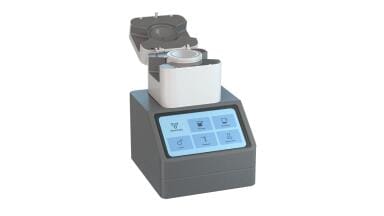
For process analysers and onboard monitoring providers, the expanded gas scope changes what needs to be measured, not just how much is charged. Methane slip monitoring – already established practice on some LNG-fuelled tonnage for safety and efficiency reasons – now has a direct compliance and cost dimension attached to it, and nitrous oxide, previously a minor consideration in bunker fuel emissions accounting, becomes a quantity operators need verified data on rather than an estimated or default value.
The European Commission's parallel FuelEU Maritime regulation, which sets tightening greenhouse-gas-intensity limits on the energy used on board, reinforces the same direction of travel.
Between the ETS's gas-species expansion and FuelEU's tightening intensity limits, verified, gas-specific emissions data is moving from a compliance nicety to an operational requirement with a real cost attached for getting it wrong – a shift that should widen demand for onboard and bunkering-point analytical instrumentation capable of resolving methane and nitrous oxide alongside CO2, rather than CO2 alone.
PIN 27.4 Aug/Sept 2026


 Product directory


























.jpg)