Gas detector
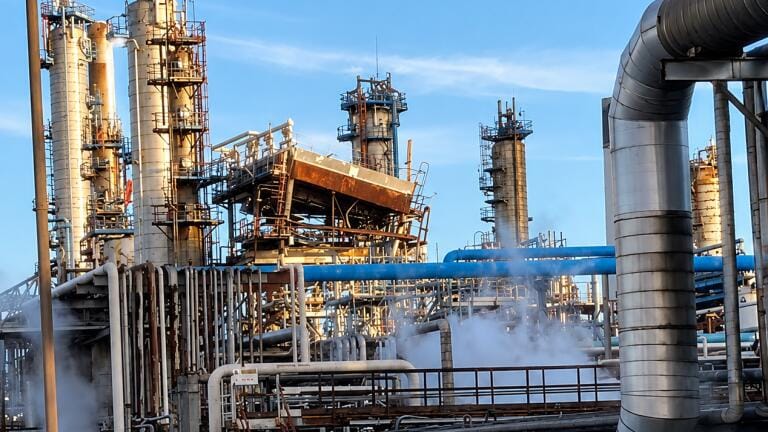
Esso Petroleum Company Limited has been fined £1 million after a major liquefied petroleum gas (LPG) leak at its Fawley Refinery in Hampshire, one of the UK's largest oil refining and petrochemical complexes. The penalty follows an investigation and prosecution by the Health and Safety Executive (HSE), which found that long-standing corrosion issues contributed to a significant loss of containment incident.
The incident occurred on 8 November 2022 when a large steel tower within the refinery partially collapsed, causing connected pipework to rupture and releasing approximately 2,400kg of highly flammable LPG. According to the HSE, around 400kg of gas escaped within the first 30 minutes following the structural failure, creating a serious risk of fire, explosion and injury.
Workers operating near the affected area were exposed to potential harm from falling debris and the possibility of severe burns had the gas ignited. Although no injuries were reported, the incident has highlighted the critical importance of asset integrity management and corrosion control across major hazard facilities.
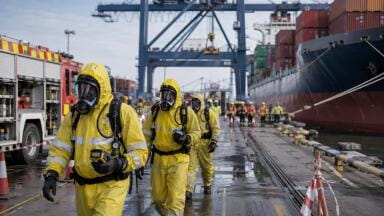
Emergency response teams implemented water curtains to limit the spread of the flammable vapour cloud while engineers worked to isolate the affected process units. It took approximately 33 hours to fully secure the area and safely vent remaining substances to the refinery's flare system.
The HSE investigation determined that the structural collapse resulted from corrosion that had developed over many years on the steel tower. Inspectors found that corrosion concerns had been identified as early as 2010, yet adequate corrective measures were not taken to manage the deteriorating condition of the structure.
As the regulator responsible for overseeing major hazard industries, including oil refineries, the HSE enforces strict requirements relating to asset integrity, inspection programmes and the prevention of major accidents involving dangerous substances. Effective corrosion management is a key component of these requirements, as degradation of critical infrastructure can lead to catastrophic loss of containment events.
The regulator emphasised that operators must ensure plant, equipment and pipework remain in a safe condition throughout their operational life, with robust inspection and maintenance systems in place to identify and mitigate corrosion risks before they escalate.
At Southampton Magistrates' Court on 12 June 2026, Esso Petroleum Company Limited, headquartered in Leatherhead, Surrey, pleaded guilty to breaching Section 3(1) of the Health and Safety at Work etc. Act 1974.
The company was fined £1 million and ordered to pay £12,277 in prosecution costs.
Amanda Huff, Inspector within HSE's Chemicals, Explosives and Major Hazards Division, said the uncontrolled release of a substantial volume of flammable gas exposed workers to serious and potentially life-threatening risks.
She stated that the root cause of the incident was a failure to effectively manage the integrity of plant and equipment, despite corrosion concerns having been identified many years earlier. Huff added that workers and local communities have a reasonable expectation that facilities handling large quantities of hazardous substances are operated safely and maintained to the highest standards.
According to the HSE, the incident had the potential for far more severe consequences, and the sentence reflects the seriousness of the safety failings uncovered during the investigation.
The prosecution was led by HSE enforcement lawyer Andrew Siddall, supported by paralegal officer Stephen Grabe.
The Fawley Refinery incident serves as a stark reminder for refinery operators, petrochemical facilities and other major hazard sites of the importance of proactive asset integrity management. Effective inspection regimes, corrosion monitoring programmes and timely maintenance interventions remain essential for preventing structural failures, loss of containment incidents and potentially catastrophic process safety events.
As regulators continue to scrutinise ageing infrastructure across the energy and chemicals sectors, the case reinforces the need for operators to prioritise long-term equipment reliability and process safety performance to protect workers, surrounding communities and critical industrial assets.
PIN 27.4 Aug/Sept 2026


 Product directory




















.jpg)
.jpg)