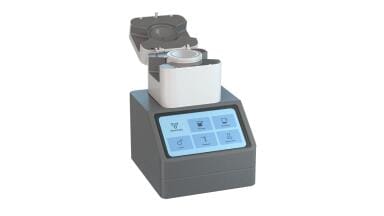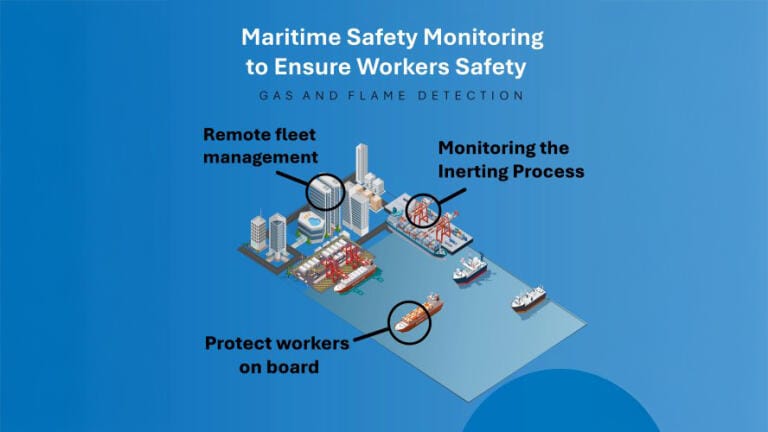
Gas detector
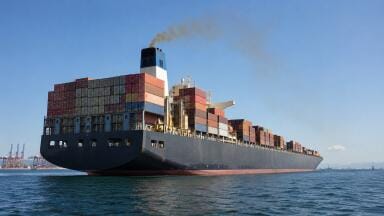
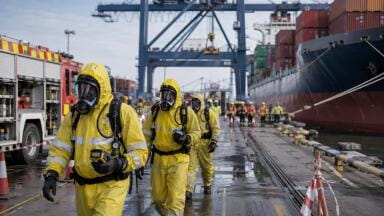
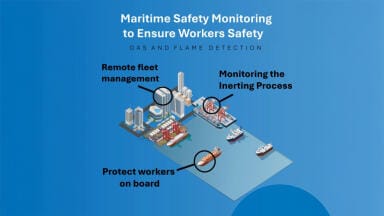
The dangers associated with enclosed spaces on ships have long been recognised, but updated guidance from the International Maritime Organization (IMO) is encouraging operators to take an even closer look at atmospheric testing before personnel enter these potentially hazardous areas.
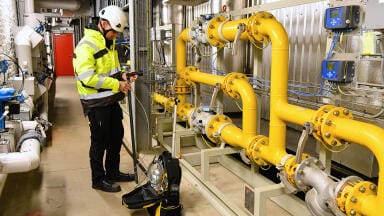
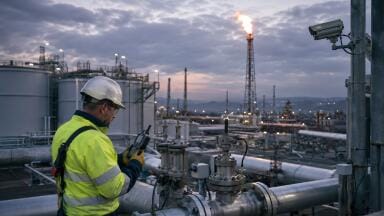
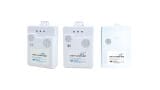
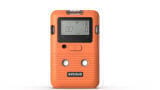
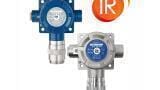
Teledyne Gas and Flame Detection (Teledyne GFD), part of Teledyne Technologies Incorporated, is supporting this effort through gas detection technologies designed to help crews identify hazardous conditions before work begins.
Under IMO Resolution MSC.581(110), carbon dioxide has been added to the list of gases recommended for testing prior to entry into enclosed spaces. The move reflects a broader focus on improving safety procedures and ensuring that personnel have a clearer picture of the environment they are entering.
“The IMO’s revised recommendations represent an important advancement for maritime safety,” said Thibault Fourlegnie, Vice President and General Manager, Teledyne GFD. “We provide practical gas detection solutions that help customers improve enclosed-space safety and meet evolving compliance expectations.”
As awareness of enclosed-space hazards continues to grow, so too does interest in technologies that can help operators improve safety and maintain compliance. Teledyne GFD says this trend has contributed to several related project awards during the year, highlighting the maritime industry's continued investment in atmospheric monitoring and risk reduction.
Manufactured in Renfrew, Scotland, the company's gas detection systems benefit from more than seven decades of experience in industrial safety engineering. Ongoing investment at the facility reflects increasing demand for technologies that help protect personnel working in challenging environments across the marine and offshore sectors.
PIN 27.4 Aug/Sept 2026


 Product directory


.jpg)