Safety
The statement is a commemorative reaffirmation that points to an existing Seveso III implementation report and a separate Commission document on reducing the risk of major accidents as background, without announcing new rules.
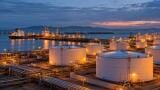
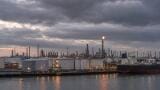
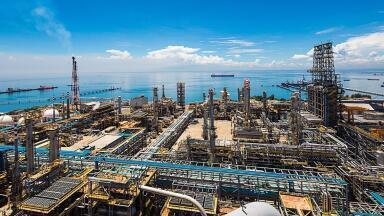
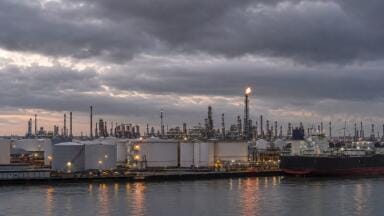
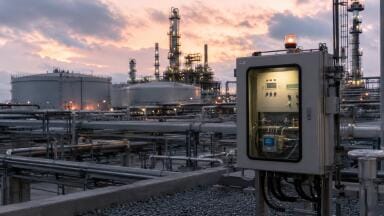
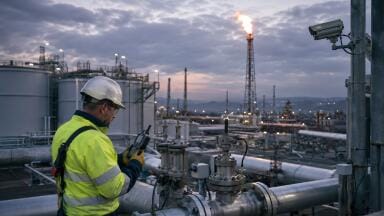
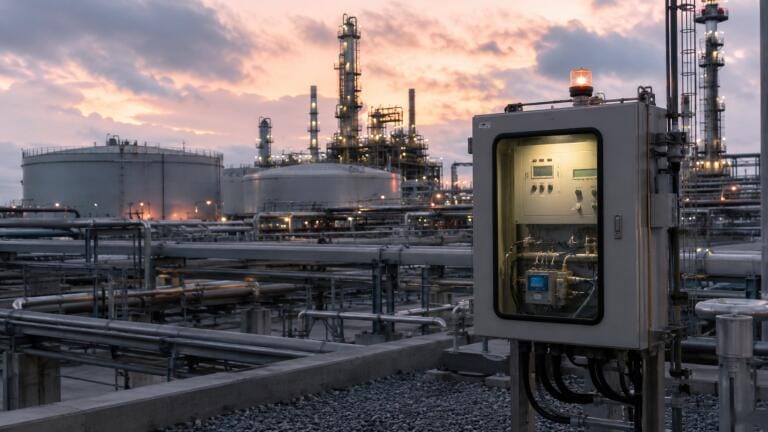
The directive covers around 11,000 industrial sites across the EU, including chemical and petrochemical plants, oil refineries, pharmaceutical production facilities, food and beverage plants and agricultural operations, spanning both the upper-tier and lower-tier establishments the directive regulates.
Environment Commissioner Jessika Roswall is quoted reaffirming the Commission's commitment to the directive, citing the 2019 Lubrizol fire in Rouen, France, and the 2021 explosion in Leverkusen, Germany, as reminders of what continuous oversight is meant to prevent.
For sites covered by the directive, Seveso III obligations extend well beyond a single compliance certificate.
Operators of upper-tier establishments must maintain a major-accident prevention policy, a formal safety management system, and an up-to-date safety report identifying hazards and demonstrating the measures in place to control them.
Lower-tier sites face a lighter but still substantial set of requirements, including notification to the competent authority and their own major-accident prevention policy.
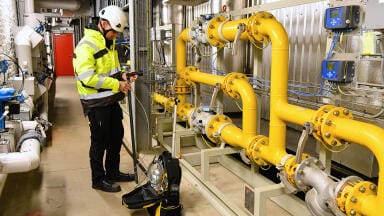
Continuous monitoring and reporting sit at the centre of this framework.
Sites must be able to demonstrate, on an ongoing basis, that hazard identification, process safety monitoring and emergency planning remain current, rather than treating compliance as a point-in-time exercise.
The Commission's reference to Lubrizol and Leverkusen underlines the practical stakes: both incidents involved sites within the scope of major-accident prevention regulation, and both are cited as evidence for why sustained monitoring and reporting discipline matters as much as the existence of the rules themselves.
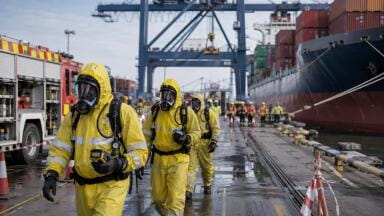
The Commission frames its restated commitment against what it describes as a changing landscape of risk, without detailing specific new hazards in the statement itself.
For petrochemical and refinery operators, the practical takeaway is continuity rather than change: existing safety management systems, hazard reporting and monitoring obligations under Seveso III remain the baseline, and the anniversary statement functions as a reminder that the Commission continues to prioritise enforcement and implementation of the existing framework, rather than a signal that new legislative change is imminent.
PIN 27.4 Aug/Sept 2026


 Product directory


.jpg)