Safety
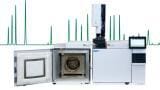
Hydrogen is a very efficient carrier gas for gas chromatographs. It increases analysis speed without compromising chromatographic resolution, lowers operating costs, and provides an unlimited supply compared to Helium. However, its flammability requires effective safety measures. Continuous Hydrogen leak monitoring helps laboratories maximise the benefits of Hydrogen while protecting personnel, instruments, and valuable samples.
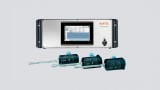
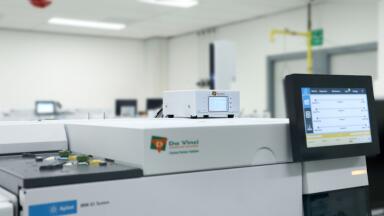
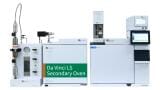
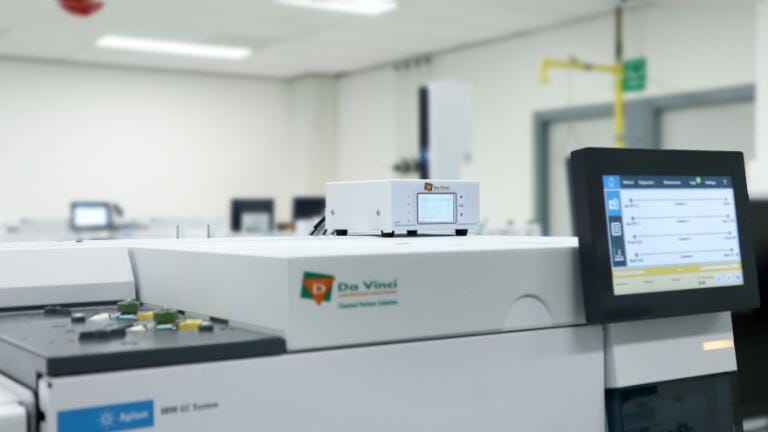
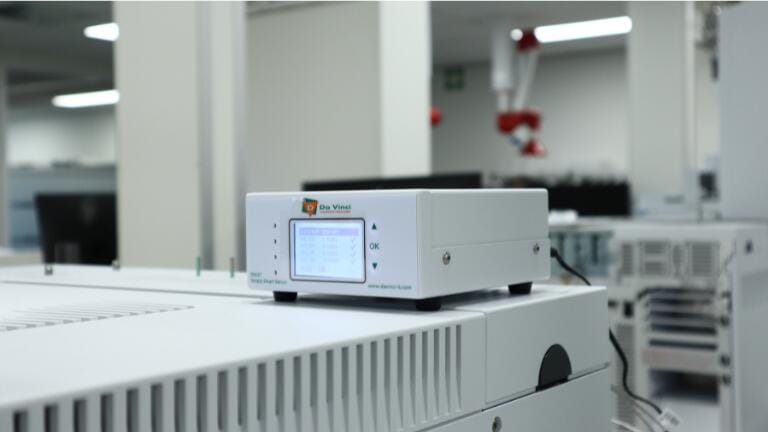
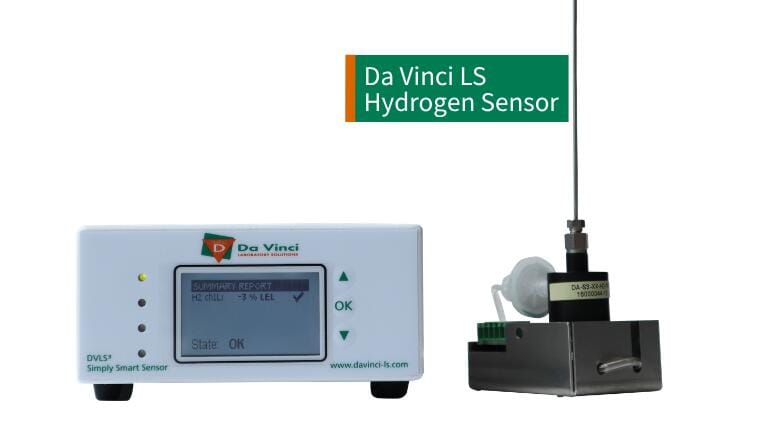
The Da Vinci LS Hydrogen Sensor is a dedicated safety solution compatible with all major GC brands. The system independently monitors up to four instruments simultaneously for Hydrogen leaks inside the GC oven.
If Hydrogen is detected, the system can automatically:
The Da Vinci LS Hydrogen Sensor uses proven pellistor technology. A noble metal catalyst promotes oxidation of flammable gases on the sensor surface, generating a measurable change in electrical resistance. This reliable principle provides continuous monitoring of Hydrogen concentrations inside the GC oven.
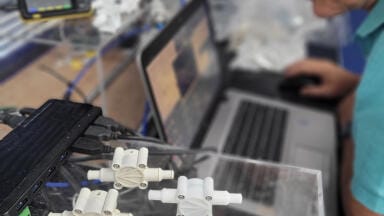
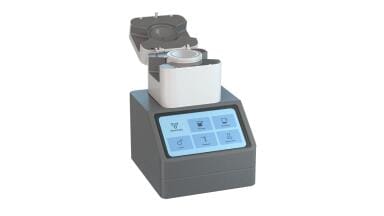
The sensor probe is installed directly inside the GC oven, while an external controller continuously displays the measured gas concentration. When a user-defined alarm level is reached, typically between 25% and 50% of the LEL (equal to 1%-2% by Vol. Hydrogen), the system will:
Watch the installation video and see the system in operation.
Hydrogen leaks can originate from damaged columns, loose fittings, or other system failures. Although modern gas chromatographs are designed with safety features, a significant Hydrogen leak can still result in costly instrument damage and operational downtime.
Implementing continuous Hydrogen monitoring with a dedicated sensor is an essential step in safely transitioning to Hydrogen carrier gas while maintaining laboratory productivity and analytical performance.
The Da Vinci LS Hydrogen Sensor provides continuous monitoring for the early detection of Hydrogen leaks in GC and GC-MS instruments, helping laboratories protect personnel, equipment, and valuable samples.
Contact Da Vinci Laboratory Solutions for more information on the Hydrogen Sensor.
PIN 27.4 Aug/Sept 2026


 Product directory