Measurement and testing
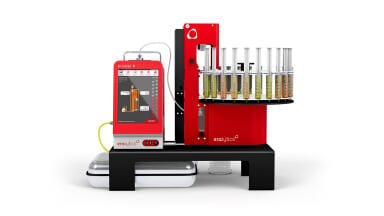
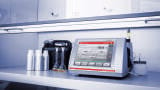
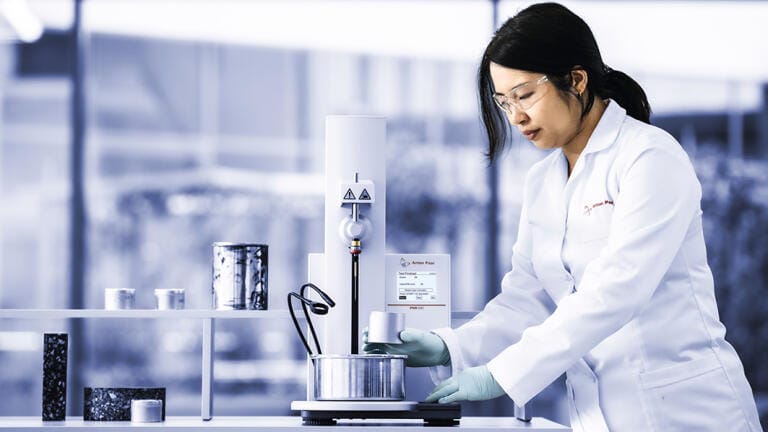
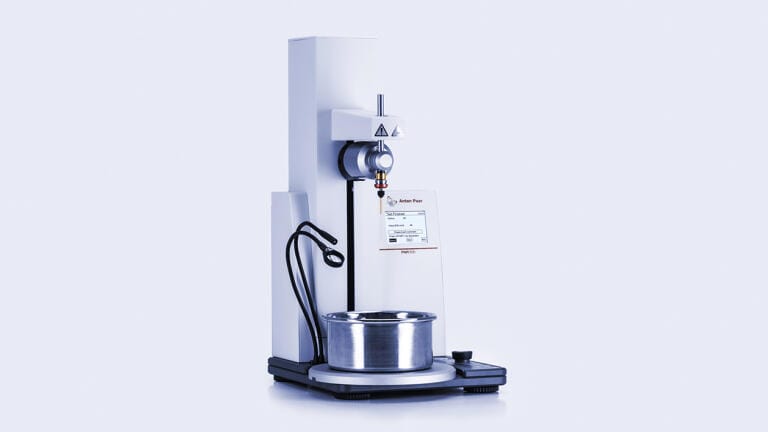
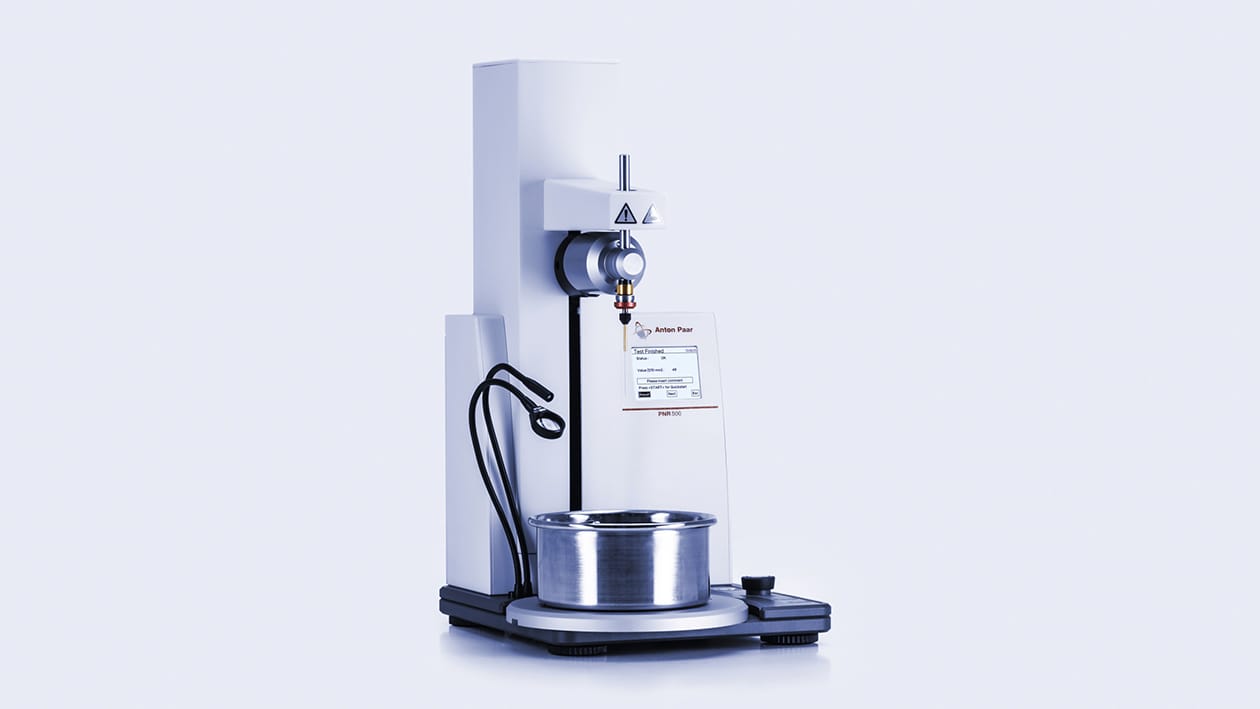
Anton Paar introduces the PNR 500 automatic penetrometer, bringing automated and connected workflows to modern consistency testing for bitumen. Designed for routine quality control, the system helps manufacturers improve efficiency, reduce user-dependent variability and support traceable data management.
Consistency testing via penetration remains an essential quality-control method for bitumen. However, many manufacturers still rely on manual workflow steps that can affect reproducibility, consume time and complicate data handling. At the same time, growing demands for efficiency, standardisation and digitalisation are driving the need for more automated and connected testing solutions.
“Reliable penetration testing depends on consistent measurement conditions and straightforward operation,” says Robert Patries, the Anton Paar product manager responsible for PNR 500.
“With PNR 500, we have focused on automating steps that traditionally require careful manual handling. Automatic surface detection, simplified needle changes, and preset methods help laboratories reduce operator-dependent variability while maintaining reliable results. Digital connectivity also makes it easier to integrate measurement data into existing quality-control processes.”
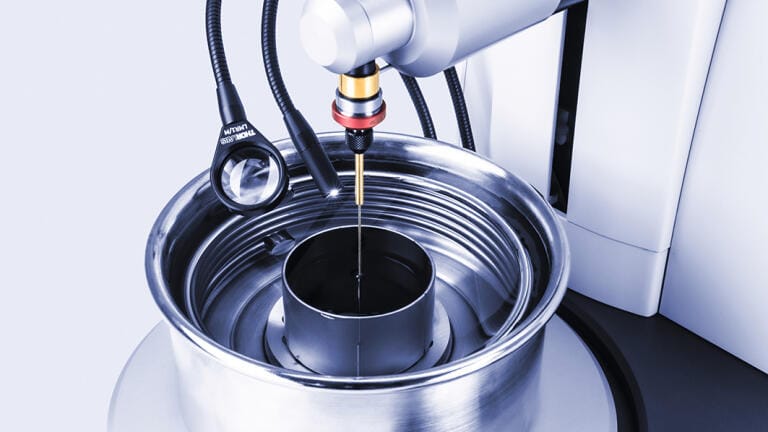
Accurate positioning of the needle during penetration testing can often be challenging, particularly when bitumen samples are submerged under water. Traditional approaches require careful visual alignment and operator experience. The patented force-sensor plunger of PNR 500 automatically detects the sample surface prior to measurement, even underwater, eliminating the need for manual positioning. By reducing user-dependent variability during test preparation, laboratories can achieve more reproducible results and improved measurement consistency. For conductive, typically water-based samples, PNR 500 additionally offers conductive surface detection, enabling fast, precise surface recognition while minimising user-dependent errors. For routine bitumen applications, a magnetic plunger and dedicated bitumen needle further streamline the workflow.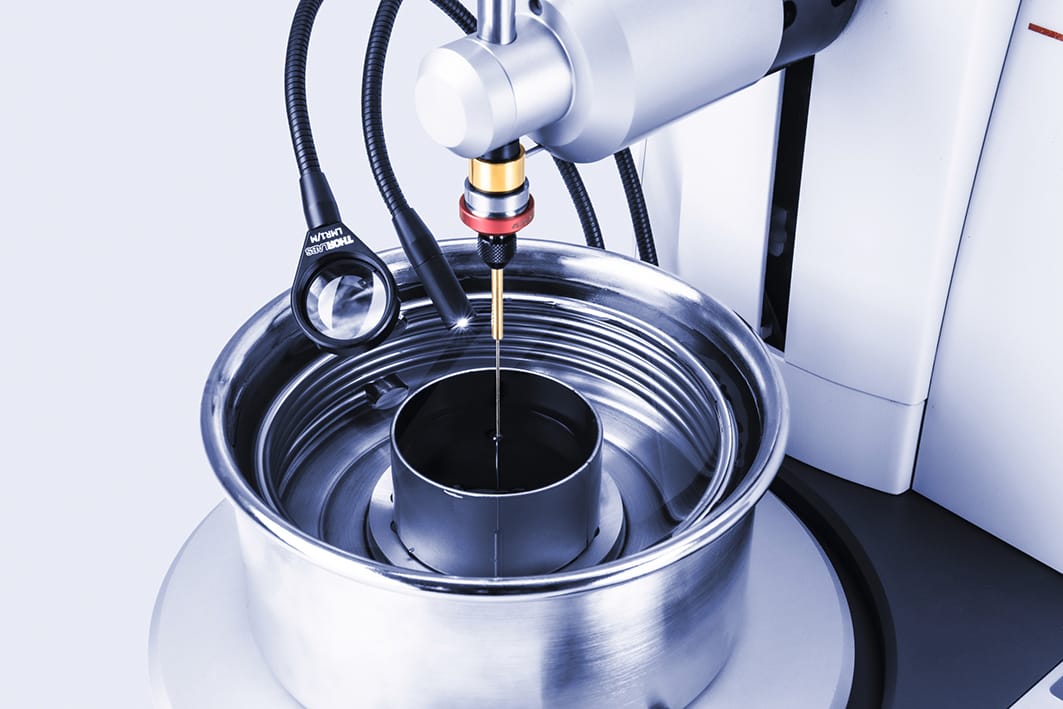
Conventional testing often requires repeated screwing and unscrewing of test bodies during daily operation. The magnetic coupling of PNR 500 simplifies handling, reduces manual intervention and improves convenience during routine testing.
Automation extends beyond the measurement itself. Preset methods for key applications support testing according to internationally recognised standards such as ASTM D5, EN 1426 and AASHTO T49, allowing users to start standardised tests quickly and consistently.
Integrated data management supports documentation and result transfer into existing quality-control workflows. Results can be stored, reviewed and exported for further processing or documentation, including transfer to external systems such as AP Connect.
In addition to bitumen testing, PNR 500 supports a wide range of consistency-testing applications. Optional accessories and test kits enable measurements for grease, waxes, food products, cosmetics and pharmaceutical formulations, allowing one instrument platform to support multiple industries.
By combining automated surface detection, simplified needle handling, preset methods and digital connectivity, PNR 500 helps manufacturers modernise consistency-testing workflows without compromising on the reliability of results.
PIN 27.5 Oct/Nov 26


 Product directory