Lubricant analysis
As various industries push toward greater efficiency, electrification, and advanced materials, understanding fluid-metal interactions has become critical to ensuring system reliability. Corrosion is a subtle yet highly destructive mechanism that can compromise electrical systems, degrade motor components, reduce material efficiency, and can cause safety and performance concerns in automotive, aerospace, and advanced technology applications. Modelling wire applications in simulated environments can enhance corrosion testing.
Unlike traditional assessments that primarily identify the presence of corrosion at the end of the test cycle, the wire corrosion test (WCT) measures the rate of corrosion progression under realistic conditions. WCT is especially important for electric and hybrid vehicles, where copper and other conductive materials in motor windings, connectors, and power electronics are exposed to elevated temperatures and potentially reactive compounds in modern lubricants and EV fluids. Corrosion in these systems can increase electrical resistance, elevate heat generation, and shorten component life - all critical concerns as EV architectures grow more compact. In addition, testing coolants for corrosion in applications such as data centres, battery systems, and fuel cells is equally crucial. The conditions used for WCT analysis allow for customisation, making it well-suited for any of these applications.
For organisations adopting electrified and high-performance systems, there are options for wire corrosion testing: through a certified lab or by acquiring the instruments to test in-house.
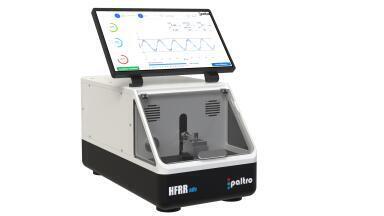
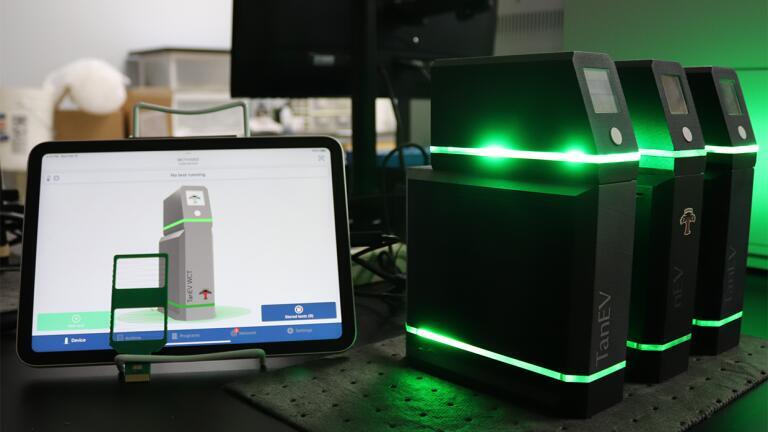
To support EV and hybrid fluid developers, OEMs, and Tier 1 suppliers, Savant Labs, an independent test laboratory based in Midland, Michigan, USA, offers wire corrosion testing (WCT) and a range of other testing services. Savant Labs conducts WCT evaluations using the TanEV WCT™ instrument from Tannas Company, enabling customers to generate validated corrosion rate data essential for EV lubricant formulation, copper alloy compatibility screening, and powertrain durability assurance. This test is a recommended corrosion test technology for SAE J3200 as outlined in the SAE International Information Report for Fluid for Automotive Electrified Drivetrains.
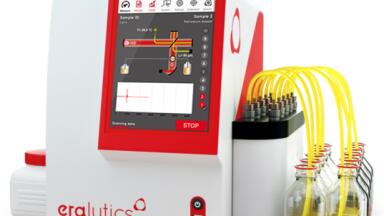
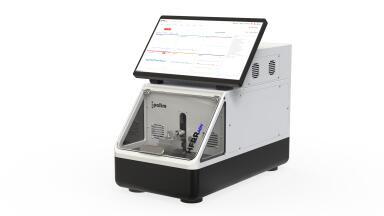
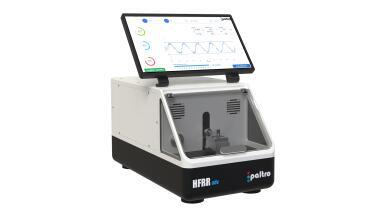
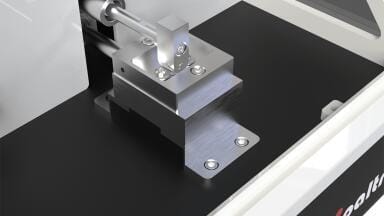
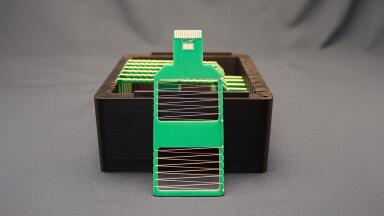
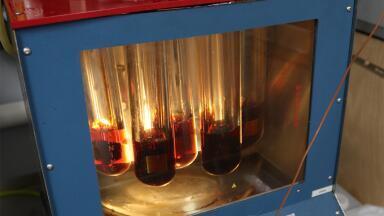
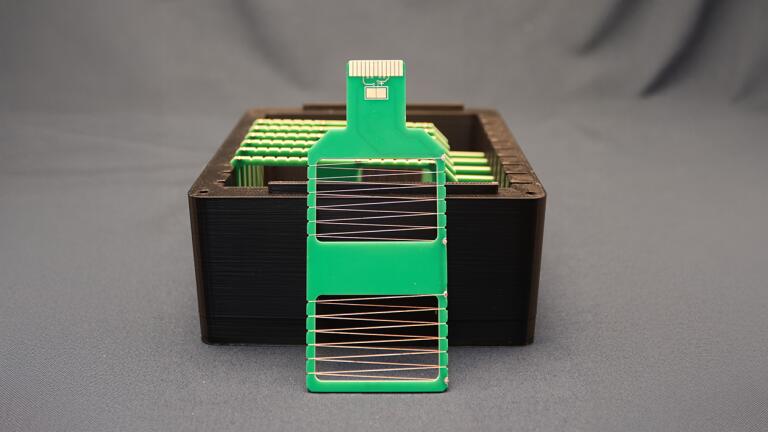
For those who will be testing regularly, the TanEV WCT™ is available for purchase from Tannas Company. Users can seamlessly start, stop tests, and capture data remotely, providing a user-friendly and efficient experience for precise experimentation and data analysis. In the TanEV WCT™, a wired test board assembly is heated (typically at 130°C or 150°C) so that one section is immersed in the fluid and the other is exposed to vapour; once energised, the system tracks conductance changes for 72 hours. The data is converted to resistance and then to an effective change in wire diameter, providing a quantifiable indicator of corrosion over time in both the liquid and vapor phases.
By offering a representative, rate-based metric across both liquid and vapour phases, wire corrosion testing has become an essential tool in modern EV development cycles. It helps screen candidate fluids early, supports material pairing decisions, and reduces the risk of in-service degradation in drivetrains, inverters, and thermal management loops. Expert contract support from Savant Labs or onsite testing with quality-built instruments, such as the TanEV WCT™, gives chemical and engineering teams the tools they need to evaluate fluid and material performance. This support helps improve system reliability, extend component life, and meet the demanding performance thresholds required for electrification and coolant systems.
The ASTM D8544 conductive deposit test, CDT, was designed to be run in conjunction with the WCT. Unlike the WCT, the CDT is not a corrosion test, but a test to evaluate the propensity of a fluid to create conductive deposits in electrical circuits, components, wires, or other areas of concern. The deposits can develop in areas where electrical isolation is crucial but breaks down and creates an electrical arc that destroys these surfaces. Entire motor windings and circuits have failed across the EV industry over the past several years.
The CDT test utilises a specially designed circuit board with specific traces spaced so they will not be conducted. A spacer board is placed at a critical gap where the conductive deposits may form. In liquid and vapor phases, these conductive deposit dendrites may form. Typically run at 150°C, the conductive deposits bridge across the traces, conducting to one another. These events are recorded and reported as the conductive deposit factor, an analyte that provides insight into the fluids' predisposition to fail in an EV or other electrified system.
PIN 27.4 Aug/Sept 2026





 Product directory