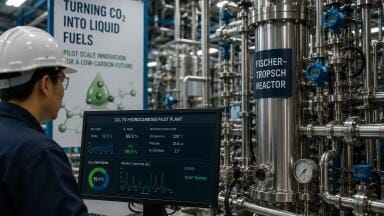
Fuel for thought
Petroineos's Grangemouth refinery stopped processing crude in April 2025 and was converted into a fuels import terminal from July 2025, ending more than a century of refining at the site.
A second, less anticipated closure followed: Prax's Lindsey refinery collapsed into administration in June 2025 and shut down completely by October 2025 after no buyer was found.
Find your next flow, level or pressure instrument in our international directory.
Together, the two closures leave the UK with four operating refineries: Fawley, Stanlow, Pembroke and the Humber refinery at Immingham.
That is down from a peak of 18 refineries in the early 1970s, before the shrinkage that followed the 1973 oil crisis began reducing UK refining capacity.
For process analyser and instrumentation suppliers, a shrinking domestic refining base changes where demand comes from.
Fewer operating sites means less new-build instrumentation work of the kind that accompanies a fresh refinery project.
The demand that remains is increasingly concentrated on the four surviving sites, where operators are under growing pressure to sweat existing assets rather than build new ones.
That points towards retrofit and optimisation work: replacing or upgrading process analysers, online analysis systems and emissions monitoring equipment on plant that may be decades old, rather than specifying new systems for greenfield units.
Fuel quality testing, sulphur analysis and process optimisation instrumentation on the remaining four sites are likely to see continued investment even as the overall UK refining footprint contracts, because each surviving refinery becomes more important to national fuel supply as the total number falls.
A shrinking refining base also raises supply security questions that go beyond instrumentation demand.
With four refineries left, unplanned outages, whether from equipment failure, weather or, in Lindsey's case, financial collapse, have a proportionally larger effect on domestic fuel supply than they would have had when the network numbered in the double digits.
That increases the practical value of reliable, continuously monitored process data at the sites that remain, both for operators managing ageing plant and for regulators tracking fuel security.
PIN 27.4 Aug/Sept 2026



 Product directory


.jpg)