Lubricant analysis
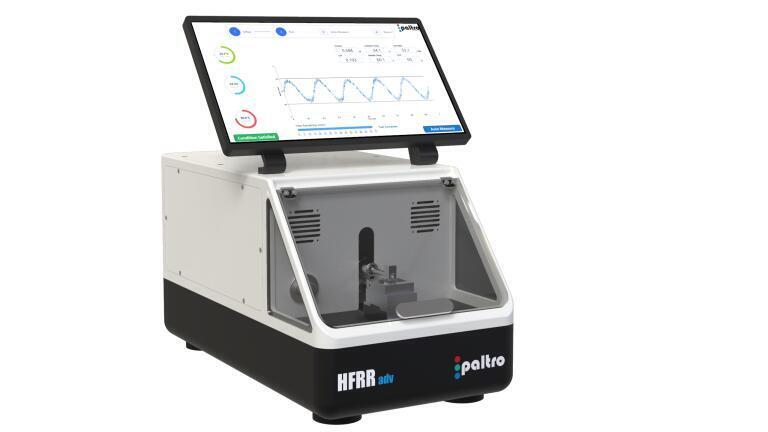
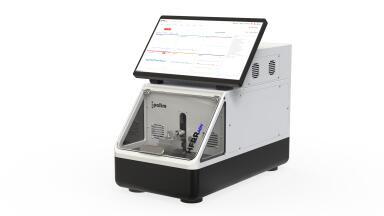
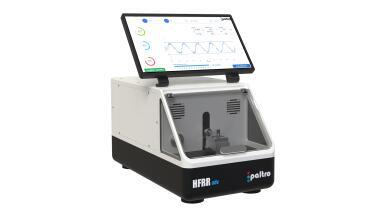
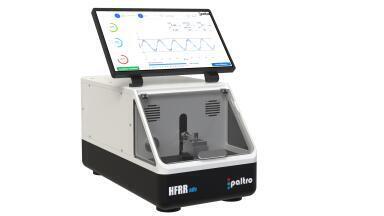
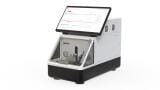
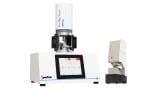
Refineries, quality assurance providers, regulatory agencies and other organizations involved in the production, processing, handling, delivery and certification of fuels are required to evaluate critical properties of the fuel (as per ASTM D975). Diesel fuel lubricity, governed by the HFRR test method, is a critical safety test that ensures fuel quality, engine compatibility, and environmental compliance at the point of delivery. Traditional HFRR instruments have multiple independent units that include the mechanical test unit, electronic controller, humidity control cabinet and PC, all of which are manually operated. HFRR-ADV from Paltro, is an ultra-compact and easy to use fully integrated design with automated workflow that simplifies testing and eliminates manual activities, thereby making it a game changer for modern labs. Its compact footprint allows it to adapt seamlessly to existing laboratory layouts without disruption, delivering a strong value proposition.
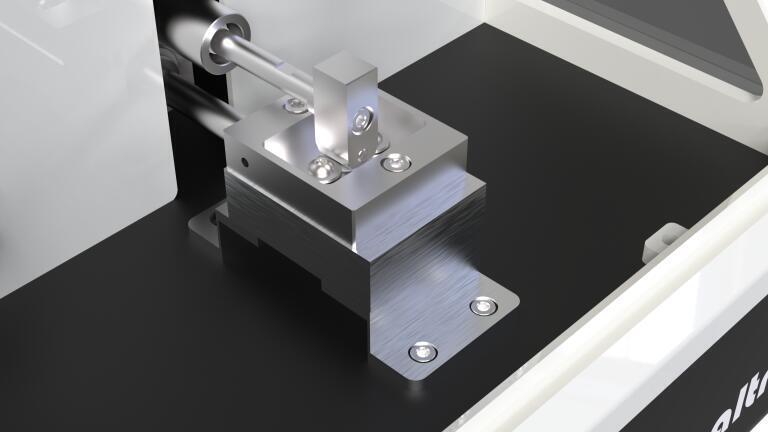
High Frequency Reciprocating Rig (HFRR) measures the wear scar formed when a reciprocating steel ball is loaded against a stationary steel disc that is fully immersed in the test fuel. The 75-minute protocol is performed under tight stroke, frequency, temperature and relative humidity control. The mean wear scar diameter measured at the end directly reflects the fuel's lubricity that is calibrated with DFA and DFB reference fluids. HFRR-ADV is designed for full compliance with global test standards (ASTM D6079, ISO 12156, and ASTM D7688).
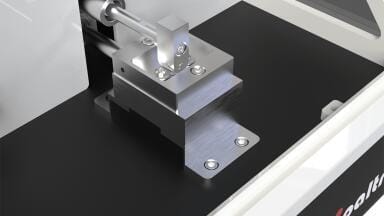
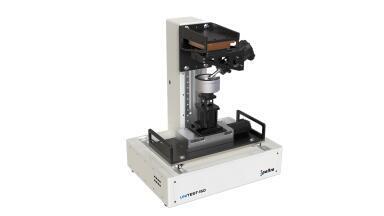
HFRR-ADV features the high frequency vibrator, electronics controller, humidity control module and PC in a single unit offering the smallest footprint and lab space requirement. Standard test protocols can be executed with a few clicks. The fully automated workflow manages the entire sequence, from testing and imaging to measurement and report generation for seamless operation. Clean, salt-free humidity that is electronically controlled requires only distilled water. Real-time stroke length, air temperature and humidity are measured and recorded for the entire test duration. Auto-detect function powered by machine learning algorithms precisely measures wear scar diameter without user dependency thereby reducing variability.
The future of fuels will be shaped by sustainable development goals, including the advancement of sustainable biofuels and alternative energy sources. In this evolving landscape, laboratory testing is transforming to support innovation in product development and enhance quality control. HFFR-ADV stands at the forefront of this transition, delivering the highest levels of precision while ensuring an efficient and effortless testing process.
PIN 27.5 Oct/Nov 26


 Product directory


.jpg)









.jpg)