Analytical instrumentation
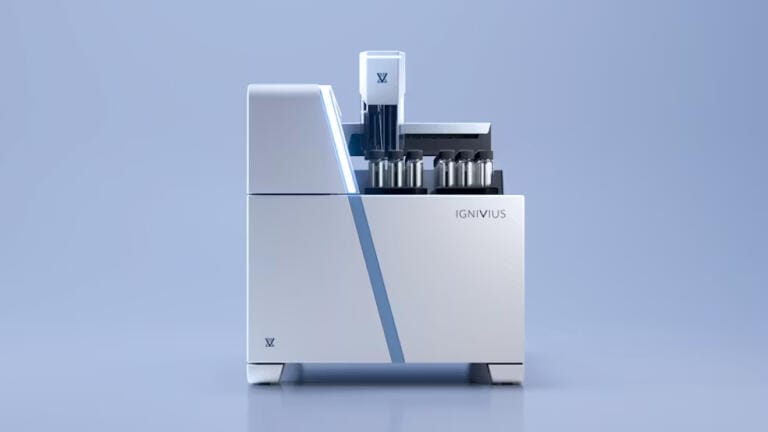
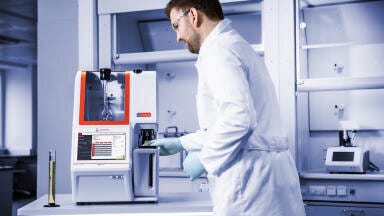
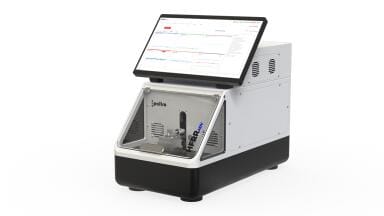
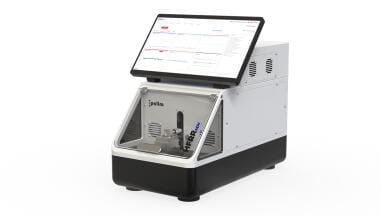
A new TOC/TNb liquid analyser has been launched for laboratories handling process water and effluent analysis across energy and petrochemical operations.
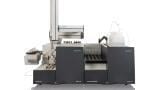
Total Organic Carbon (TOC) and Total Bound Nitrogen (TNb) are routine parameters in process water quality monitoring across refineries and petrochemical plants, supporting both process control and effluent compliance. Skalar and TRACE, both part of laboratory automation group Velaris, have launched IGNIVIUS, a combustion-based liquid analyser aimed at energy and process laboratories handling higher sample volumes and more variable matrices.
The system determines Total Carbon (TC), Total Inorganic Carbon (TIC), Total Organic Carbon (TOC), Non-Purgeable Organic Carbon (NPOC), Purgeable Organic Carbon (POC) and Dissolved Organic Carbon (DOC), with Total Nitrogen (TNb) available as an option, relevant to boiler feedwater monitoring, cooling water management and effluent testing ahead of discharge.
Process water and effluent samples can contain suspended solids, oils or particulates that complicate conventional TOC methods. A direct injection sample system is designed to handle samples with particles or very small volumes while reducing maintenance and carryover. Parallel NPOC pretreatment is intended to increase throughput for continuous batches of process samples, while a smart sparging function aims to ensure accurate inorganic carbon removal even where samples differ in alkalinity or dissolved carbonate content across process streams. Inline dilution and high-capacity sample racks, holding up to 170 vials of 8ml each, are aimed at cutting sample preparation time, labour and reagent use. “The unique combination of features in the IGNIVIUS makes it truly a TOC/TNb analyser without any compromise,” commented Frank de Kok, Velaris’ product manager.
For refinery and petrochemical labs, fewer manual handling steps can support more consistent results across shifts and ease the burden on QA/QC teams, though gains will depend on each site's sample types and existing methods. As process and environmental laboratories manage larger sample volumes across process monitoring and discharge compliance, instruments combining multiple carbon fractions with automated sample handling may help laboratories keep pace without expanding staff. Sites considering adoption will want to evaluate performance against their own process water matrices first.
PIN 27.4 Aug/Sept 2026


 Product directory


.jpg)










.jpg)
.jpg)