
Analytical instrumentation
The United States has become one of the world's leading LNG exporters, placing increased focus on process reliability, product quality, and operational efficiency throughout the LNG value chain.
Among the many parameters monitored in LNG facilities, moisture remains one of the most critical. Even trace concentrations of water can create substantial operational challenges. Moisture can contribute to freezing issues in cryogenic equipment, process upsets within liquefaction systems, reduced equipment reliability, and quality concerns that may affect export specifications.
For LNG operators, moisture measurement begins long before the gas enters the liquefaction process. Feed gas quality must be continuously monitored to ensure dehydration systems are performing effectively and moisture levels remain within defined operating limits.
Traditional spot sampling methods may not provide sufficient visibility into changing process conditions. In contrast, continuous online measurement allows operators to verify dryer performance in real time and quickly respond to process deviations. Early detection of moisture breakthrough events can help prevent costly downtime and protect critical processing equipment.
Key LNG moisture monitoring applications include:
As LNG production capacity continues to grow, operators face increasing pressure to maximise uptime. Every interruption to production can have significant commercial consequences. Continuous moisture monitoring provides an additional layer of process assurance by helping operators maintain stable operating conditions and minimise unexpected events.
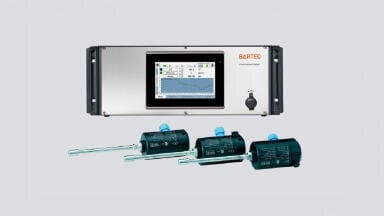
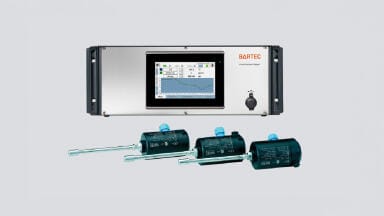
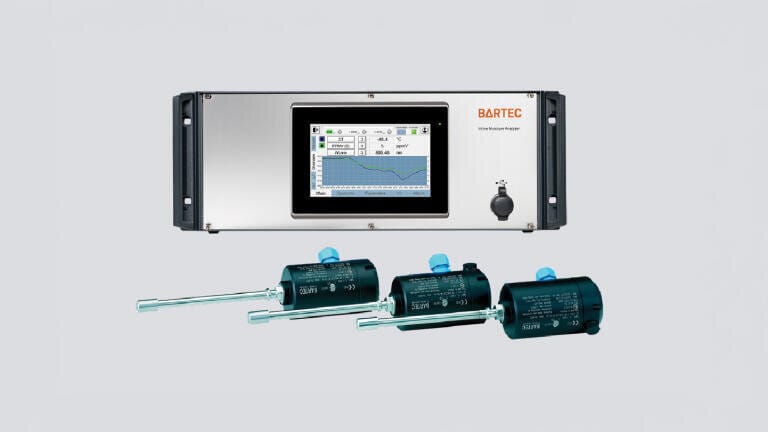
Advanced optical moisture measurement technologies offer excellent long-term stability and are well suited for demanding LNG applications. Systems capable of measuring trace moisture levels under varying operating conditions provide process engineers with valuable information for performance optimisation and risk reduction.
Reliable moisture data also support proactive maintenance strategies. Trending moisture levels over time can reveal dehydration system deterioration or process anomalies before they impact production performance.
As LNG facilities strive for higher efficiency, greater reliability, and stronger asset protection, moisture measurement is becoming an increasingly important component of operational excellence. Investments in robust online moisture analysis help operators maintain gas quality, protect critical infrastructure, and support long-term production goals.
PIN 27.5 Oct/Nov 26

 Product directory