
Analytical instrumentation
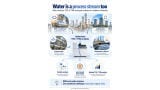
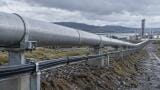
The U.S. natural gas industry continues to expand through increasing pipeline capacity, growing LNG exports, and rising demand for reliable energy delivery. As operators focus on maximising asset utilisation and maintaining operational reliability, one critical parameter remains central to pipeline performance: moisture.
Even trace amounts of water in natural gas streams can create significant operational and commercial risks. Excess moisture promotes internal corrosion, increases the potential for hydrate formation, impacts compressor performance, and can lead to off-spec gas deliveries. Maintaining tight control over moisture content is therefore not only a quality requirement but a fundamental component of pipeline integrity management.
Historically, many facilities relied on periodic laboratory testing to verify moisture levels. While laboratory methods remain valuable for verification purposes, they often provide only a snapshot of process conditions. Rapid process changes, dryer performance issues, or unexpected contamination can occur between sampling intervals.
Continuous online moisture measurement provides operators with immediate visibility into changing process conditions. By monitoring moisture levels in real time, operating teams can quickly identify dehydration system inefficiencies, process upsets, and abnormal moisture excursions before they develop into costly operational issues.
Moisture monitoring is particularly important where strict contractual gas quality specifications apply. Failure to meet water content limits can result in product rejection, financial penalties, additional treatment costs, or operational disruptions.
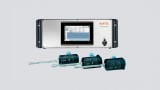
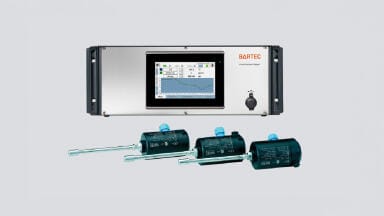
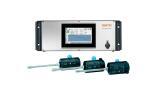
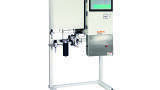
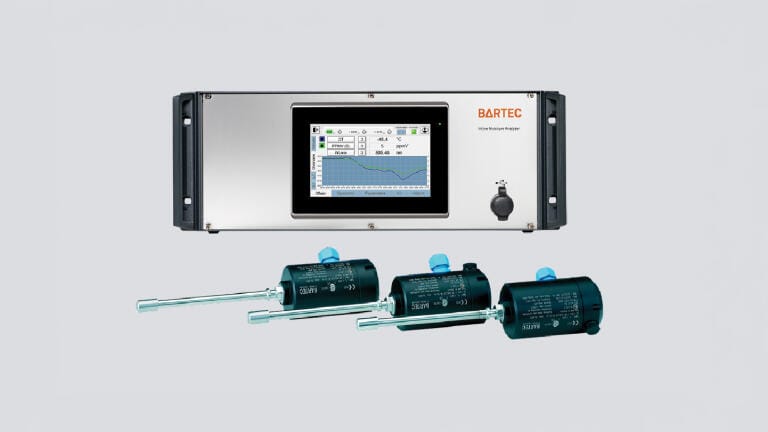
Modern optical moisture analyser technology has significantly improved long-term measurement stability and reliability in demanding field environments. Advanced systems are capable of operating under high-pressure process conditions while delivering highly repeatable moisture measurements for both operational control and compliance monitoring. BARTEC's PMA 5674, for example, is designed for trace moisture measurement in gas applications and high-pressure process environments common in the natural gas industry.
Beyond compliance, continuous moisture monitoring also contributes to predictive maintenance strategies. Long-term moisture trending can reveal early indications of dryer degradation, seal failures, or process abnormalities, allowing operators to address potential problems before they impact production.
As natural gas infrastructure continues to evolve, real-time moisture measurement is increasingly recognised as an essential tool for protecting assets, ensuring product quality, and reducing operational risk.
PIN 27.4 Aug/Sept 2026


 Product directory