Analytical instrumentation
In the demanding world of fuel research and certification, the margin for error is nearly non-existent. To meet the rigorous standards of ASTM D2699 (RON), D2700 (MON), and D613 (Cetane), researchers and engineers rely on the absolute precision of gravimetric blending. Unlike volumetric methods, which can be influenced by temperature and density fluctuations, gravimetric blending uses mass, the only truly constant variable, to ensure repeatable and high-fidelity fuel compositions.
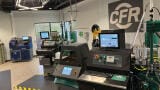
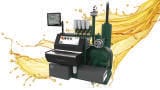
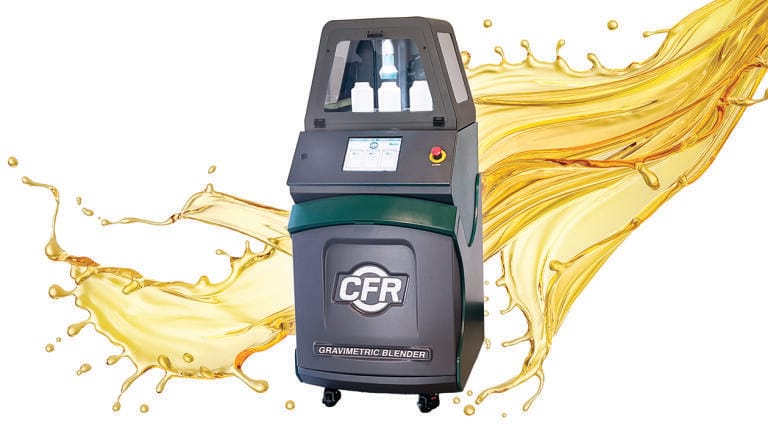
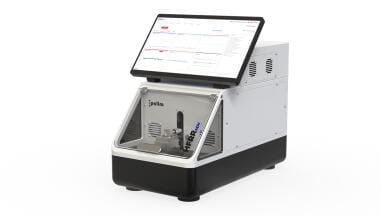
The latest evolution of the CFR Gravimetric Blending System (GBS) introduces a new, metallic hood design that is as robust as it is functional. Built for the rigours of a busy testing environment, this hardware update ensures long-term durability and protection for the sensitive internal weighing components.
Recognising the value of existing laboratory infrastructure, CFR has developed a specialised retrofit kit. This allows facilities to upgrade their earlier GBS models with the new, rugged metallic housing, bringing older systems up to the modern structural standard without requiring a full system replacement.
Operational simplicity is at the heart of the GBS. The updated Human-Machine Interface (HMI) allows technicians to manage complex tasks directly from a high-resolution touch screen, reducing the need for external peripherals or manual record-keeping.
Maintaining precision no longer requires cumbersome external procedures, as the HMI allows for full scale calibration to be performed directly through the touch screen.
Many laboratories are required to perform weekly or even monthly calibrations to meet strict internal quality requirements or ISO certifications, and by enabling calibration directly through the HMI, the GBS ensures the system remains within its high-precision operating window with minimal downtime, making it easier for labs to stay compliant with their specific audit schedules.
Transparency is also critical for quality control, and the HMI provides immediate feedback by displaying actual blend values against requested values side by side. If the properties of the blend are not within the desired range, the system provides immediate on-screen feedback, allowing for instant adjustments, and this ensures the final product consistently exceeds the strict 0.2% mass accuracy limit.
GBS leverages a sophisticated process that minimises human touchpoints and maximises safety. The system utilises six 10-litre tanks for primary and secondary reference components, which can be replenished manually or automatically via connection to bulk fuel storage drums. By leveraging two-way communication with XCP® TECHNOLOGY, target octane or cetane ratings are pulled directly from a central database. This digital handshake ensures that the engine's specific testing requirements are translated into mass ratios instantly, eliminating the transcription errors often found in manual blending.
The integrated solution between the XCP® system and the GBS offers a significant strategic advantage by streamlining the blending process and enhancing data integrity. Every blend result is recorded in a secure database for future retrieval, providing a robust audit trail for international standards and laboratory accreditation.
As internal combustion technology evolves toward cleaner and more efficient combustion strategies, the tools used to certify their fuel must keep pace. The CFR Gravimetric Blending System (GBS), designed and manufactured in the US, remains a cornerstone of fuel research, providing the reliability, consistency and technological integration required for the next generation of engine development.
PIN 27.4 Aug/Sept 2026




 Product directory












.jpg)

.jpg)