Safety
Published over 12 years ago. See the latest and most current information on Safety.
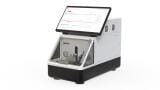
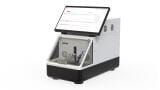
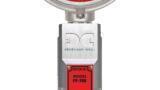
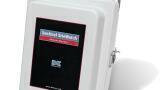
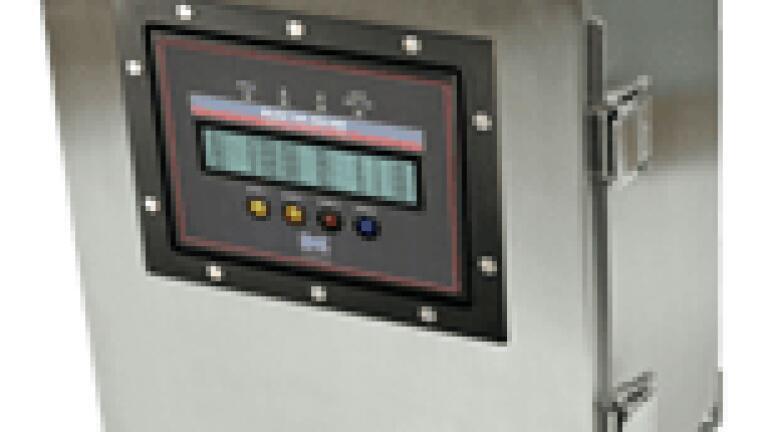
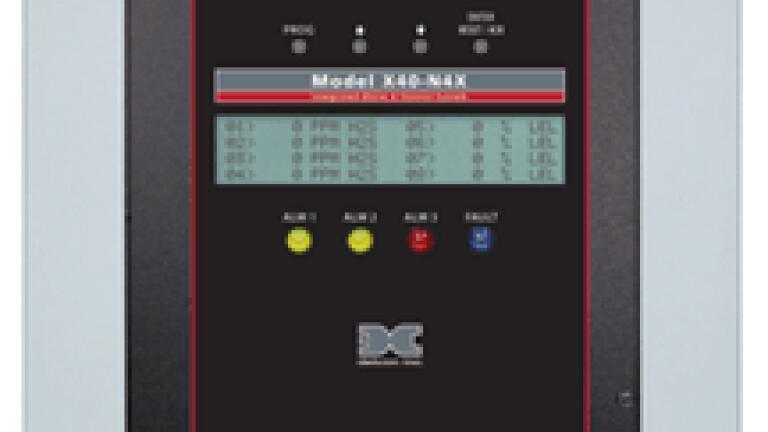
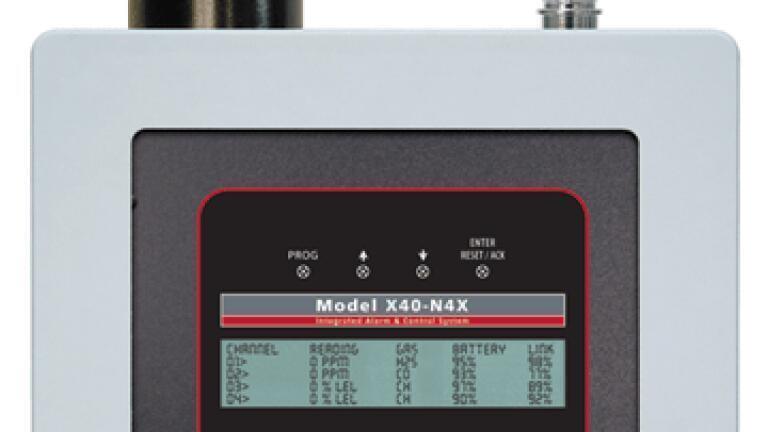
Detcon (USA), an IST company, is pleased to announce that the Model X40 NEMA 4X alarm and control system has received cTUVus NRTL certification for non-hazardous locations. The rugged, power-efficient controller, designed to monitor gas detection sensors and a wide range of other field devices, can receive and supervise 4-20mA or RS-485 field device inputs. The controller can be customised and expanded to monitor up to 32 field devices using Detcon’s stackable din-rail mounted I/O modules. All I/O modules are individually addressable and operate on 11.5-30VDC. Detcon I/O modules offer digital and analog input capability, as well as alarm relay and analog outputs, and can be remotely installed to simplify field wiring.
The Model X40 is completely field programmable and offers advanced technology with intuitive, embedded intelligence and standard datalogging software that makes tracking and reviewing gas detection history simple and easy. Among the system’s unique features is a wireless option that can be used with Detcon’s CXT SmartWireless gas detection product line which is cCSAus – Class I, Division 1 approved. The Model X40 NEMA 4X version was awarded the CE Mark approval earlier this year.
PIN 27.4 Aug/Sept 2026



 Product directory