
Measurement and testing
Published over 12 years ago. See the latest and most current information on Measurement and testing.
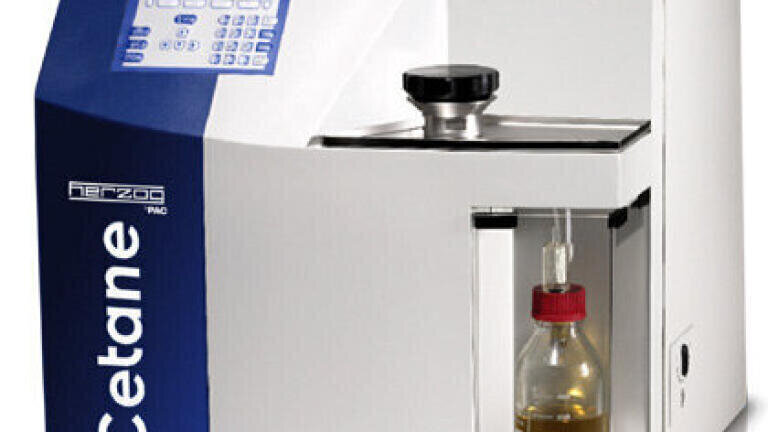
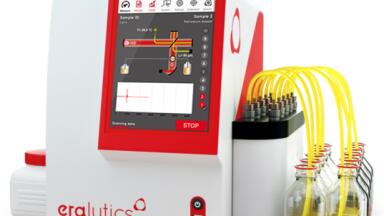
PAC developed the newly released ASTM D7668 'Standard Test Method for Determination of Derived Cetane Number (DCN) of Diesel Fuel Oils - Ignition Delay and Combustion Delay Using a Constant Volume Combustion Chamber Method', for the PAC Herzog CID 510. The CID 510 provides highly accurate Derived Cetane Number (DCN) analysis for diesel fuels in the complete DCN range from 15 to 100 with excellent correlation to the CFR Engine.
As part of the method development process, ASTM and the Energy Institute conducted an extensive interlaboratoy study in March of 2013.In the ILS, 17 laboratories participated from the United States and Europe to compare the cetane number determined with the CFR Engine and the DCN determined with the CID 510. The precision of the CID 510 from the ILS study is much better than traditional CFR Engine technology (ASTM D613), as well as other CVCC instruments (ASTM D7170 and ASTM D6890). Click here to see the precision study graph.
The excellent precision and correlation of this technology allows refineries to run their process closer to the specification limit for the cetane number which leads to significant cost savings due to reducing the amount of cetane improver needed. For a refinery producing 100,000 barrels of Diesel per day, operating at one cetane number closer to the specification could save as much as $800,000 USD per year. Read the brochure for more details.
In addition to high precision, the CID 510 has significant benefits, including:
If you want to learn more about the CID 510 or have a question for one of our analytical experts, click here to fill in a contact form.
PIN 27.5 Oct/Nov 26



 Product directory


.jpg)













.jpg)






.jpg)