Measurement and testing
Fuel testing does not always happen in a laboratory. Refineries, fuel terminals, inspection agencies and distributors increasingly need to make decisions at the point where fuel is delivered, stored or sold, and that creates a practical challenge for analytical technology. Results need to be quick and reliable, but the equipment also has to cope with environments that are a long way from a controlled laboratory.
That is the thinking behind a new generation of portable fuel analysers from Zeltex, which will be demonstrated at the Gulf Coast Conference. The company has more than three decades of experience in portable fuel analysis and its latest instruments are designed to provide rapid measurements without requiring samples to be taken back to a laboratory.
The ZX-101SQ uses Near-Infrared (NIR) spectroscopy and has an expanded wavelength range of 810 to 1045 nm. The instrument can analyse parameters including octane, cetane, ethanol and biodiesel content, with results available in less than a minute. More than a dozen fuel calibrations are available, and automatic fuel-type detection is intended to reduce the risk of errors during testing.
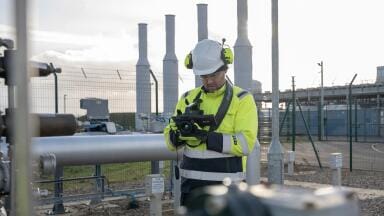
For inspectors and fuel professionals, the attraction is fairly straightforward. A sample can be checked where the fuel is actually being handled, whether that is at a refinery, terminal, retail station or during an inspection. The instrument can store up to 100 results, allowing several samples to be assessed before the data needs to be transferred or reviewed.
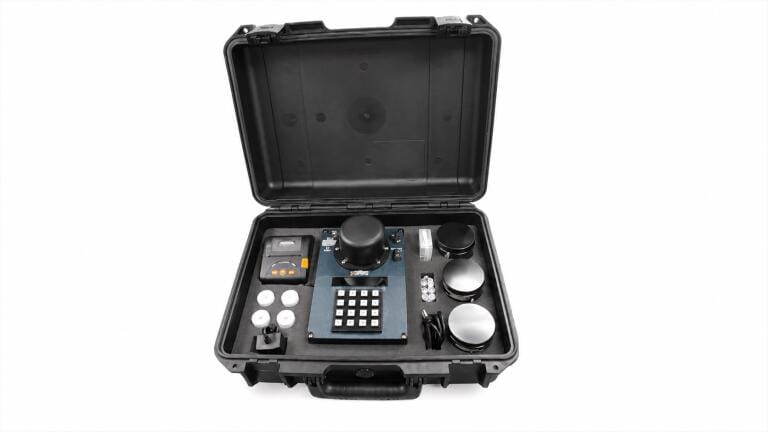
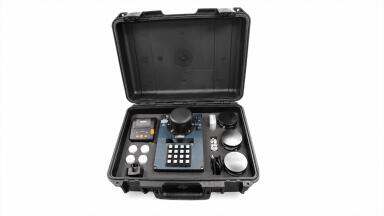
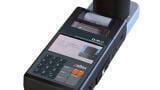
The SQ is designed for portability, with the system housed in a protective Pelican case and powered either by six AA batteries or a vehicle adapter. For work in more demanding conditions, the ZX-101RZ+ (pictured) takes a similarly portable approach but uses a more ruggedised design suitable for harsh environments, including high temperatures, humidity and dusty conditions.
Both instruments use an optical system with no moving parts or replaceable light sources, which can reduce maintenance requirements when equipment is being used away from a laboratory or service centre. The RZ+ also incorporates sealed controls and a rugged enclosure for applications where equipment is likely to encounter considerably more punishment than it would in a conventional laboratory.
The wider development is worth watching because fuel analysis is increasingly about obtaining information quickly enough to act on it. Laboratory testing remains essential for many applications, particularly where highly detailed analysis or formal certification is required. But there are plenty of situations where waiting for a sample to reach a laboratory is inconvenient, costly or simply impractical.
Portable spectroscopy does not remove the need for laboratory analysis, but it can provide a useful first line of testing. For fuel inspectors checking deliveries, distributors verifying product quality or fleet operators monitoring supplies, having a reliable measurement at the point of use can help identify potential problems before they become larger ones.
The technology will be on display at Booth 426 during the Gulf Coast Conference, providing an opportunity to see how portable fuel analysis is being applied outside the traditional laboratory environment.
PIN 27.5 Oct/Nov 26

 Product directory


.jpg)









.jpg)

.jpg)


.jpg)