Analytical instrumentation
Published over 11 years ago. See the latest and most current information on Analytical instrumentation.
The U.S. EPA has issued a number of regulations in recent years for monitoring emissions from hydrocarbon production and storage facilities. These regulations, and the fines that accompany them, have led to new innovations in the industry. Recovering those vapours and selling them to gas purchasers offers two solutions at once: regulatory compliance and new profit streams.
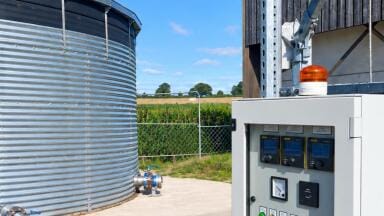
Liquid hydrocarbons emit natural gas vapours, especially when confined in a storage unit. A VRU pulls these vapours from the tank and separates the natural gas, which is pumped to a sales point. The result is a new profit center for the oil company and a cleaner environment.
But as with many solutions, there is a potential risk. In this case the risk comes in the form of Oxygen (O2) entering the gas through the VRU. Gas analysers are used to monitor the gas in the line and make certain the O2 content meets stringent specifications.
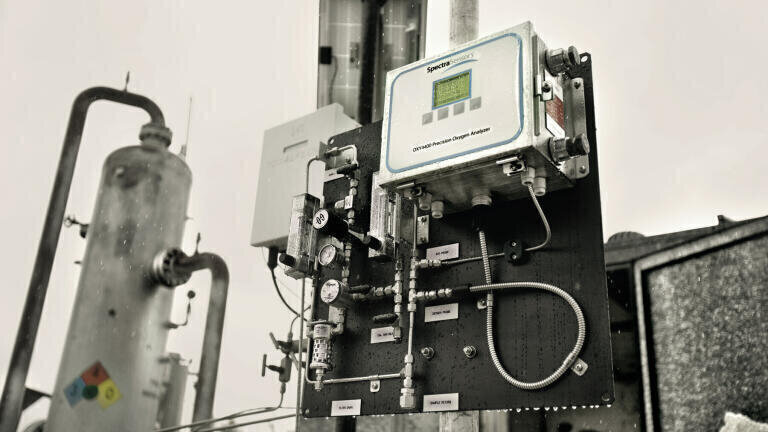
Many oil companies have turned to optical analysers from SpectraSensors (USA) that utilise a technique called “fluorescence quenching”. This technology has the advantage of quick response time and immunity to contaminants in the gas stream. In some cases the response is quick enough to reveal which VRU is leaking if a network of VRUs is being used at the same site.
VRUs provide oil producers new capabilities to control emissions and generate revenue. Capitalising on this opportunity requires an accurate O2 analyser to ensure safety VRU operation and process control.
PIN 27.4 Aug/Sept 2026


 Product directory


.jpg)










.jpg)
.jpg)