Surfactants constitute the most important group of detergent components in soaps and other cleaning products.
Modern detergents may be made from petrochemicals or from oleochemicals derived from plants and animals. Alkalis and oxidising agents are also chemicals found in detergents. The determination of all of these components both as raw materials and within a formulated mixture/product is important.
For many years now anionic surfactants have been analysed using the Epton titration. This method has an accredited method notably ISO 2271. The standard procedure for this method is the two phase titration with the mixed indicator system disulfin blue and dimidium bromide. However, this procedure has disadvantages such as it can hardly be automated, it uses chloroform or other chlorinated hydrocarbons, the visual endpoint detection can be difficult and it is time consuming.
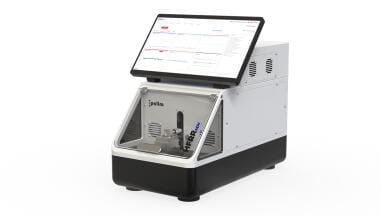
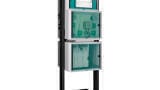
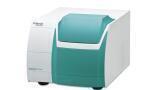
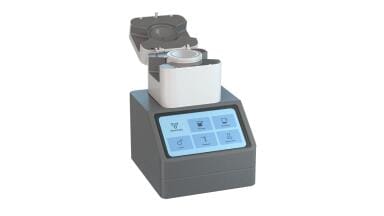
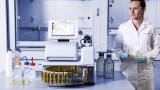
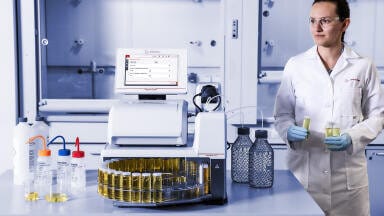
Metrohm (Switzerland) are pleased to offer an alternative that has none of the disadvantages described above. Using the Metrohm Titrando, titrations of anionic surfactants can easily be automated without the need for chloroform or other nasty indicators. The anionic titration by potentiometric titration has recently been assigned DIN EN 14480.
Some examples of titrations that can be performed include: anionic surfactants and soaps in washing powder; anionic surfactants in dishwashing concentrates; cationic surfactants in hair conditioner; cationic surfactants in cooling lubricants; nonionic surfactants in mouth rinse; nonionic surfactants in household cleaners; total phosphate in washing powders; sulphate in washing powders; betains by titration; polyacrylates by titration.
To facilitate applications, Metrohm has released Surf PAC, a
comprehensive collection of present methods and techniques for the automated analysis of surfactants.


 Product directory












.jpg)
.jpg)