Analytical instrumentation
Published over 14 years ago. See the latest and most current information on Analytical instrumentation.
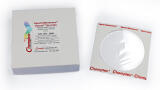
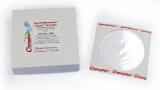
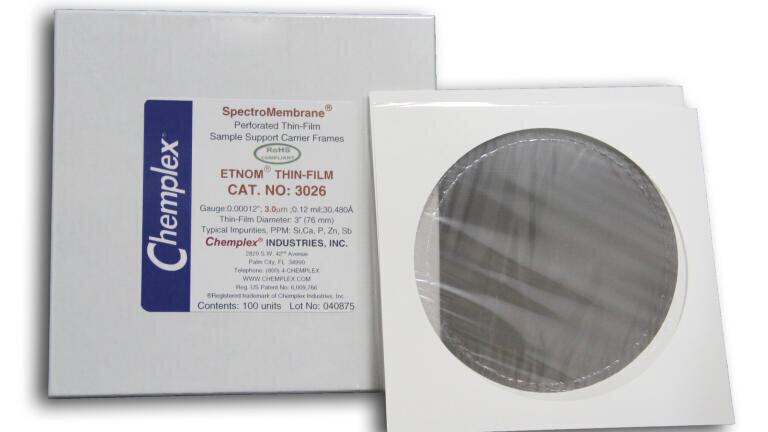
Since the introduction of Etnom (a Chemplex trademark, USA) brand SpectroMembrane Thin-Film Sample Support Material, it has been widely acclaimed and accepted as the primary choice for analysing aliphatic and aromatic hydrocarbons, particularly diesel fuel and gasoline. The substance is noteworthy for its chemical and softening resistance and increase in intensities especially for the long wavelength (lower KeV energy) spectral lines. Etnom is available in SpectroMembrane Sample Support Carrier Frames for convenience in handling, avoidance of troublesome static electrical charges and cross contamination issues.
Some of the benefits of using Etnom thin-film as a primary sample cup window material are: Sulphur free for EPA < 5PPM S compliance analysis, The most chemically resistant thin-film to aliphatic and aromatic hydrocarbons, Enables extended integration times, Provides high count rates for low “Z” elements, Enables low limits of detectability, Maintains taut sample planes during analysis, Resilient to potential sample diffusion, Resistant to temperature degradation from energetic XRF tube wattage exposure and Enables statistically reproducible target-to-sample plane distances for long sample analysis time.
PIN 27.4 Aug/Sept 2026



 Product directory


.jpg)











.jpg)
.jpg)