2.jpg)
-(1).jpg)
Analytical instrumentation
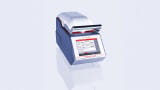
Anton Paar presents DMA 35 Ex Petrol: a portable digital density meter for aviation fuel checks in hazardous areas. It supports on-site verification of density, relative density, and API gravity at tank terminals, fuel depots, loading points, and on the apron, helping teams make operational decisions without leaving the point of transfer.
Density in jet fuel and avgas is a key quality parameter used for product identification, handling decisions, and volume-to-mass conversions. In daily operations, this data is often needed quickly – before fueling, unloading, or transferring product.
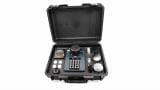
DMA 35 Ex Petrol is designed for petroleum applications and certified for use in hazardous areas. Its intrinsically safe design enables measurements close to the fuel-handling process, including at the aircraft when required. This can reduce sample transport to remote laboratories, supporting faster decision-making during time-critical workflows.
Hydrometer testing in accordance with ASTM D1298 is widely used, but it typically involves manual reading, a separate temperature measurement, meniscus correction, handling of glass instruments, and additional calculation steps. These manual elements can slow procedures and contribute to operator-dependent variability.
Operated according to ASTM D7777, DMA 35 Ex Petrol measures density and temperature directly and provides automatic conversions to standard reference conditions – such as density at 15 °C or 60 °F – along with relative density and API gravity using ASTM D1250 routines. This streamlines reporting and supports consistent documentation across shifts and locations.
Unlike glass hydrometers, the instrument is intended for robust field use and avoids the risk of glass breakage. Its petroleum-resistant configuration supports routine checks in fuel logistics and aviation fuel supply chains.
“Fuel teams often need density information immediately and at the point of operation,” says product manager Barbara Klug-Santner. “The DMA 35 Ex Petrol provides a portable, intrinsically safe way to obtain density results and standard conversions on-site, helping users replace manual hydrometer routines where speed and consistency matter.”
PIN 27.4 Aug/Sept 2026

 Product directory


.jpg)









.jpg)

.jpg)
.jpg)
.jpg)