Analytical instrumentation
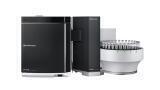
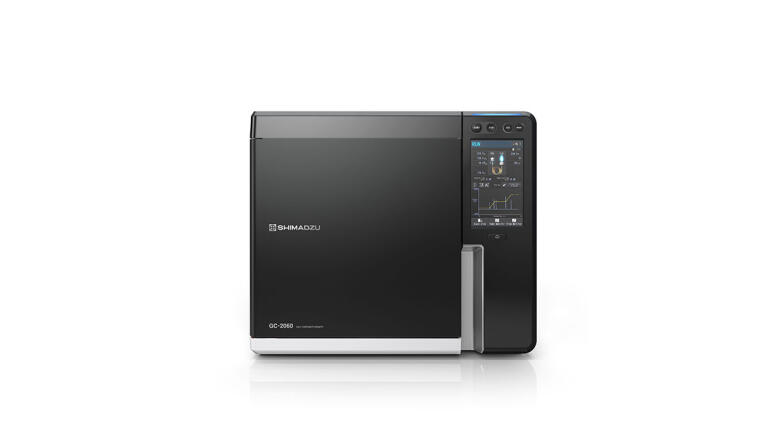
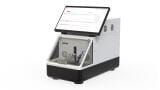
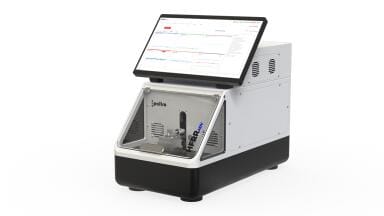
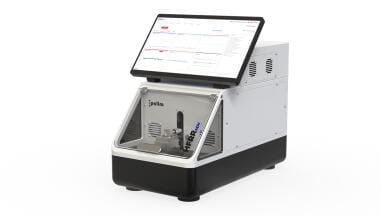
Shimadzu Scientific Instruments has introduced the Nexis GC-2060 gas chromatograph, the latest evolution of its flagship GC platform, aimed at helping laboratories improve productivity, reduce downtime and support a wider range of analytical applications. The system is particularly relevant to laboratories serving the refining, petrochemical, fuels and chemical processing industries, where reliable gas chromatographic analysis remains central to quality control, process optimisation and research activities.
Released during the 70th anniversary year of Shimadzu Corporation’s first gas chromatograph, the Nexis GC-2060 combines enhanced detector performance with workflow automation and increased system flexibility, helping laboratories adapt to changing analytical demands while maintaining operational efficiency.
A notable enhancement is the upgraded Flame Ionisation Detector (FID), which offers around 20% greater sensitivity than previous models and achieves a minimum detection limit of 1.0 pgC/sec. Shimadzu also describes the detector as the world’s first multi-mode FID, enabling users to switch between Hy/Ox and Hy/Air operating modes according to analytical requirements and gas availability.
The system’s Thermal Conductivity Detector (TCD) has also been redesigned, delivering a 25% improvement in detection limits and a minimum detectable quantity of 300 pg/mL. The use of single-filament technology reduces warm-up times and allows the detector to stabilise more rapidly, supporting accurate and repeatable analysis of gases and inorganic compounds commonly encountered in industrial applications.
For laboratories handling diverse sample types, the Nexis GC-2060 incorporates a Multimode Injection (MMI) unit that supports five injection techniques within a single module. These include split/splitless injection, programmable temperature vaporisation (PTV), direct injection, large-volume injection (LVI), and thermal desorption/extraction methods, enabling a single instrument to support a broad range of testing requirements.
Energy efficiency has also been addressed through an automatic eco-operation function that learns laboratory operating patterns and adjusts instrument behaviour accordingly. The GC automatically enters an Eco Idling mode during standby periods and provides users with information on gas consumption, energy savings, CO₂ emission reductions and associated cost benefits.
While retaining the footprint of earlier models, the Nexis GC-2060 offers increased expandability, allowing users to install additional pretreatment devices, injection ports and detectors. This enables configurations suited to applications such as dual-line analysis, high-throughput operation and multi-purpose laboratory testing from a single GC platform.
To support maximum uptime, Shimadzu has incorporated a range of user-focused design features including tool-free column installation, one-touch access to injection units, automated start-up and shutdown procedures, and automated column conditioning. Together with integrated troubleshooting assistance and intuitive software, these features are intended to simplify operation and maintenance while helping laboratories maintain productivity.
PIN 27.4 Aug/Sept 2026






 Product directory












.jpg)

.jpg)