Analytical instrumentation
Published over 13 years ago. See the latest and most current information on Analytical instrumentation.
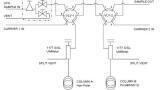
For many years the petrochemical industry has been in need of powerful and time-efficient separation capabilities to effectively analyse complex hydrocarbon mixtures of spark-ignition fuels like gasoline. Gas chromatographic-based techniques such as multi-dimensional gas chromatography (MDGC) have been shown to provide the necessary level of capacity to analyse complex hydrocarbon mixtures including oxygenate containing gasoline. However, such methods may take in excess of two hours.
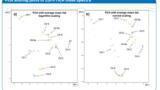
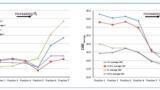
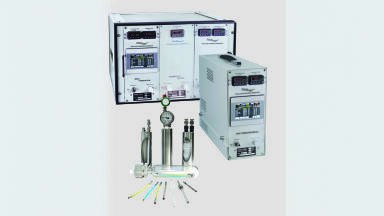
Bruker (USA) experts have developed a methodology whereby gasoline characterisation can be optimised through smart manipulation of the interaction between individual columns using MDGC as with the PIONA+ Analyser. Column optimisation through the use of the PIONA+ Analyser can result in a reduction in analysis time of up to 40% whilst maintaining a high degree of accuracy that is demanded by the industry in compliance with ASTM D 6839. The potential for the PIONA+ Analyser to provide significant cost-savings may not be immediately obvious to those unfamiliar with the petrochemical process. The PIONA+ design is suited to analysing the intermediate streams and final products. This makes it ideal for analysis during processing and just prior to transportation.
PIN 27.4 Aug/Sept 2026

 Product directory


.jpg)






.jpg)
.jpg)