Analytical instrumentation
Published over 6 years ago. See the latest and most current information on Analytical instrumentation.
Applied Rigaku Technologies, Inc. (ART) has published an application report describing the analysis of carbon black by Energy Dispersive X-ray Fluorescence (EDXRF).
Carbon black is a material produced by the incomplete combustion of heavy petroleum products and is mainly used as a reinforcing filler in tires and other rubber products, and is used to strengthen engine hoses and gear belts. It is also used as copier toner inks and as pigment in polymers. The elemental characterization of carbon black is critical in ensuring proper quality of the contingent products.
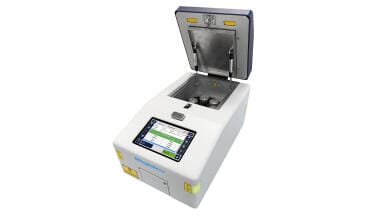
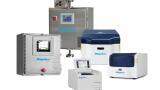
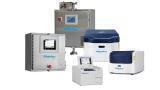
The method presented in Rigaku Application Note #1846 describes the elemental analysis of carbon black and demonstrates the performance of the Rigkau NEX DE EDXRF analyser. The report includes complete information about sample preparation and detailed analysis results, and is available on the company’s global website.
For the analysis detailed in this report, measurements were performed with the NEX DE EDXRF analyser with 60 kV excitation source and a high-resolution and high-throughput silicone drift detector. The versatile RPF-SQX software enables semi-quantitative analysis without the need for assayed reference materials and offers a simple, intuitive process for elemental identification (Na-U), screening and characterisation of raw materials and final products.
PIN 27.5 Oct/Nov 26



 Product directory