Fuel analysis
As crude quality targets tighten, petroleum labs are under increasing pressure to detect metals and sulphur at lower concentrations.
That matters because even low levels of nickel and vanadium can affect refining, contribute to catalyst poisoning, and increase the risk of fouling. Iron may also be relevant in certain crude and residual oil streams, while sulphur monitoring remains essential for classification and compliance.
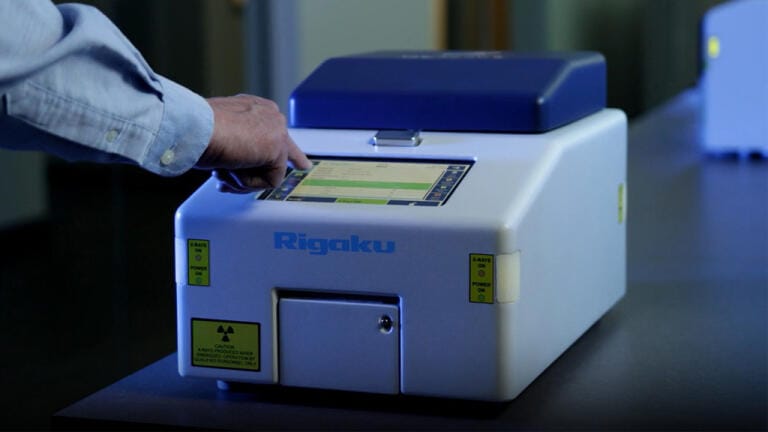
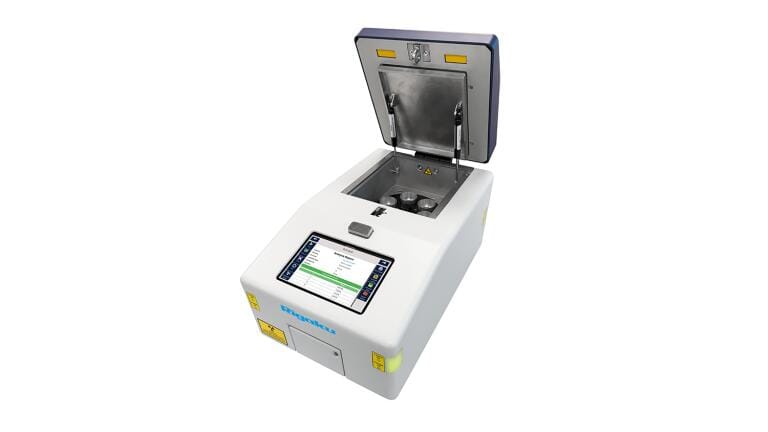
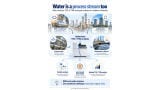
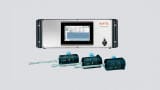
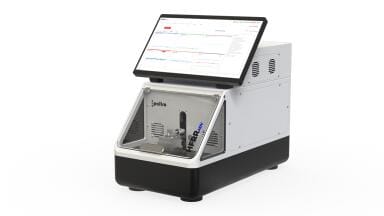
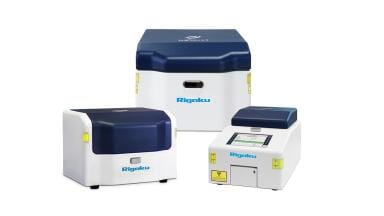
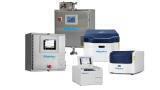
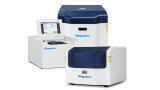
Rigaku’s new NEX QC II+ EDXRF analyser is designed to meet that need by offering improved limits of detection for key elements in crude and residual oil. In compliance with ASTM D8252, this second-generation system supports routine measurements of vanadium, nickel, and iron below 50 ppm, with sulphur measured in the same analysis per ASTM D4294.
Compared with the first-generation model, the NEX QC II+ offers improved low-level detection capability, providing greater sensitivity in screening for sulphur and metals. The result is a broader view of elemental concentrations from a single benchtop system—useful for labs, refineries, terminals, and organisations evaluating crude quality, residual oil, and marine fuel-related streams.
The updated configuration includes a large-area graphene window silicon drift detector, optimised excitation geometry, a redesigned touchscreen user interface, and new electronics. Enhanced detector protection also supports long-term operation in demanding environments.
NEX QC II Series provides:
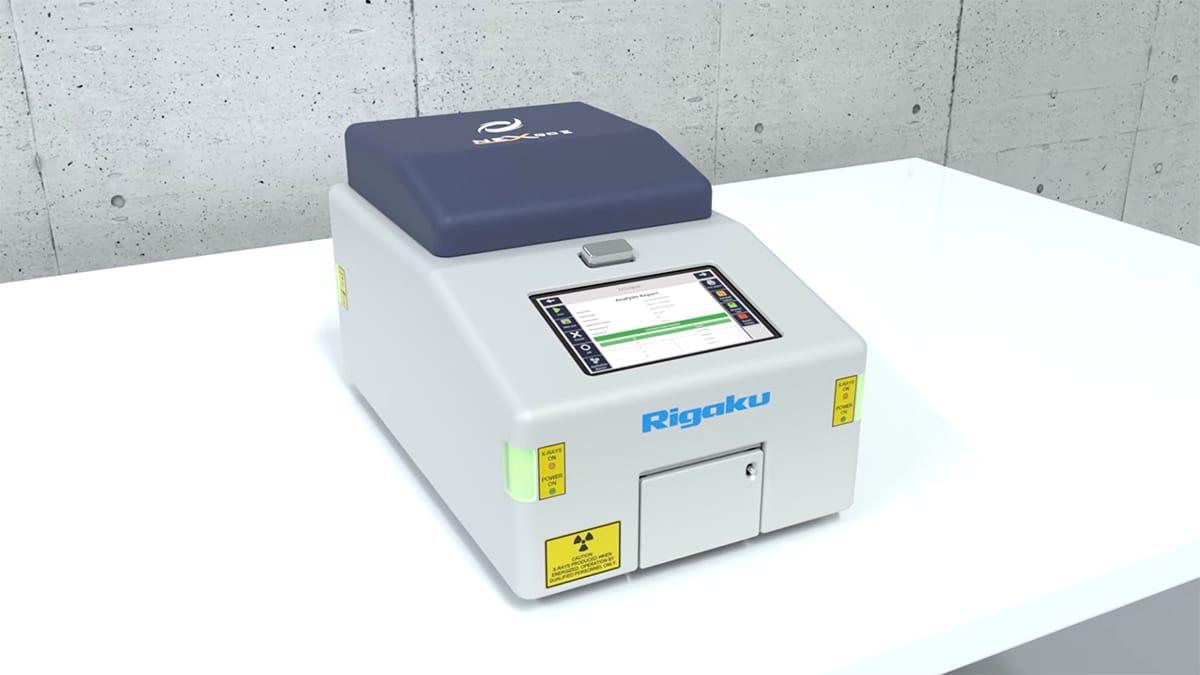
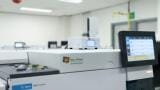
Routine operation is designed to be straightforward for ASTM D4294, ASTM D8252-19, and ASTM D5059 analyses. Samples are prepared using standard XRF sample cups and measured directly in air, eliminating the need for specialty gases. The software’s intuitive workflow bar guides operators through each step of the analysis, helping simplify both training and day-to-day operation. In addition, the system supports ultra-low sulphur determination in fuels in accordance with ISO 13032, with measurements performed in a helium atmosphere.
With its compact footprint and low-maintenance design, the NEX QC II+ offers a practical way to combine sulphur testing with improved ultra-low-metals detection in a single benchtop instrument—especially where greater visibility at lower concentrations is increasingly important.
Contact Applied Rigaku Technologies to learn how the NEX QC II Series can support your routine QA/QC, field verification, or in-plant testing requirements. Email to connect with the team.
PIN 27.4 Aug/Sept 2026



 Product directory














.jpg)