Analytical instrumentation
Published over 11 years ago. See the latest and most current information on Analytical instrumentation.
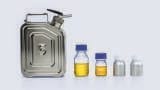
Have you ever worried whether your instrument would survive a thorough cleaning with detergents or organic solvents? Or whether spillage might damage your instrument over the years, when measuring hydrocarbon liquids like acetone, methylnaphthalene or isopropanol?
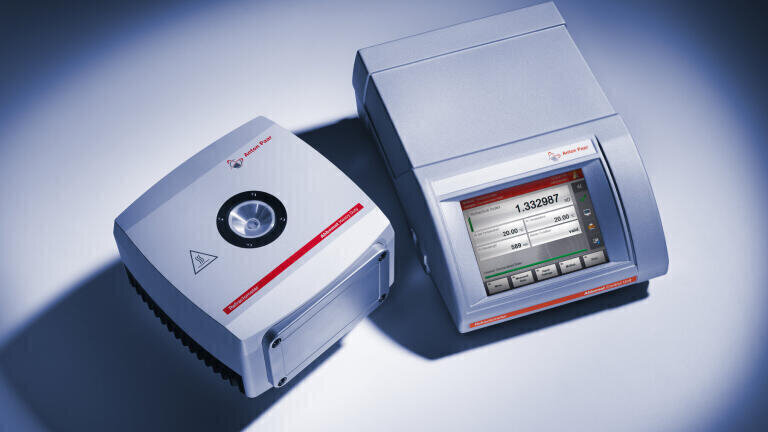
Encased in solid anodised aluminum, the measuring unit of the new Abbemat 450/650 heavy duty refractometers, from Anton Paar (Austria), is resistant against hydrocarbon organic liquids and strong acids.
Able to withstand submersion under one meter of water for up to two hours, the IP68-certified measuring unit will still deliver. So you really don’t need to worry about rinsing the measuring unit or giving it a good wash with a hose.
Testing the Abbemat’s ruggedness has been taken to the extreme (or even to the absurd?) in endurance tests involving cars, helicopters and swimming pools. Find videos on these tests under: www.anton-paar.com/campaign/abbemat-heavy-duty/. These highly graphic tests should be taken with a pinch of salt.
The Abbemat 450/650 heavy duty refractometers from Anton Paar are your ideal partner for challenging applications. Measure when others fail.
PIN 27.4 Aug/Sept 2026

 Product directory


.jpg)










.jpg)

.jpg)
.jpg)
.jpg)