Analytical instrumentation
Published over 4 years ago. See the latest and most current information on Analytical instrumentation.
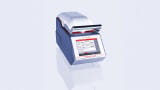
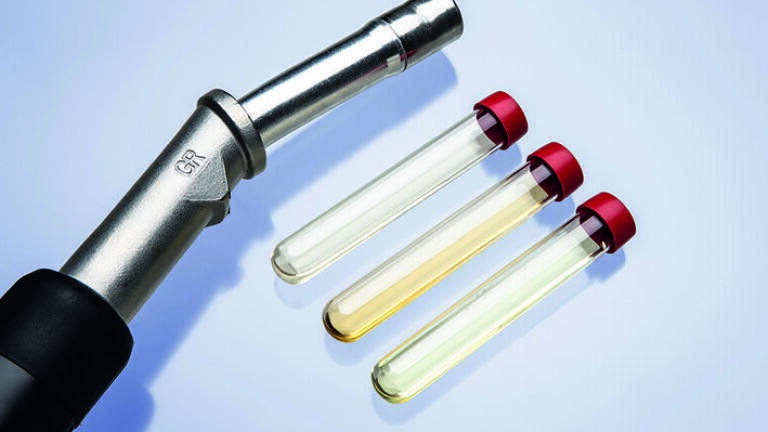
Anton Paar’s RapidOxy 100 Fuel, incorporating the standard method EN 16091 for testing the oxidation stability of diesel fuel from B0 to B100, has now been officially included in the specification, EN 590. With 60 minutes as a limit for the induction period, it is 20 times faster than the alternative method included in the EN 590 for testing oxidation stability.
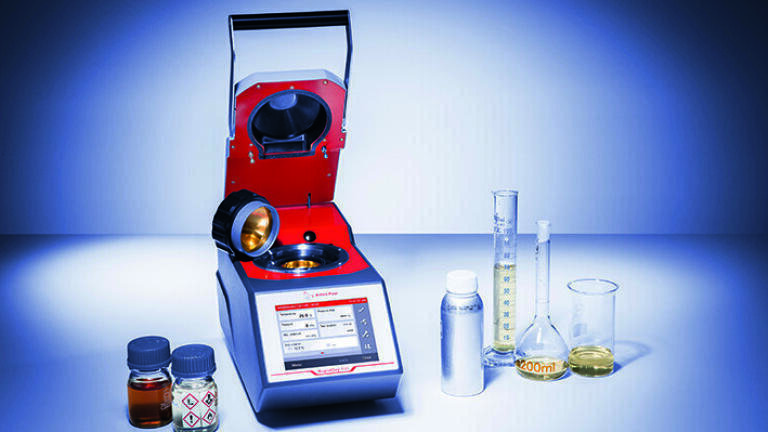
RapidOxy 100 Fuel offers the world’s fastest, almost entirely automatic EN 590 oxidation stability test method. The only manual step of the Rapid Small-Scale Oxidation Test (RSSOT) is filling in 5 mL of diesel fuel sample – leaving no room for error. Combined with highly accurate temperature control, this guarantees super-precise test results.
Sample throughput is high: setting up measurements takes less than five minutes; the test chamber can simply be wiped clean, every step of the test is incredibly convenient. And the compact benchtop size and stand-alone design, as well as supreme safety features (automatic magnetic locking of safety hood, over-temperature and -pressure shut-off) take functionality to another level.
PIN 27.4 Aug/Sept 2026

 Product directory


.jpg)









.jpg)

.jpg)

.jpg)
.jpg)