Analytical instrumentation
The transition to more environmentally benign energy carriers is driving rapid diversification in the petroleum and energy industries. Alongside conventional fuels, new formulations such as sustainable aviation fuels (SAF), advanced biodiesels, and e-fuels are entering the market. Each of these must comply with strict specifications for viscosity and density – key parameters that affect safety, performance, and engine compatibility.
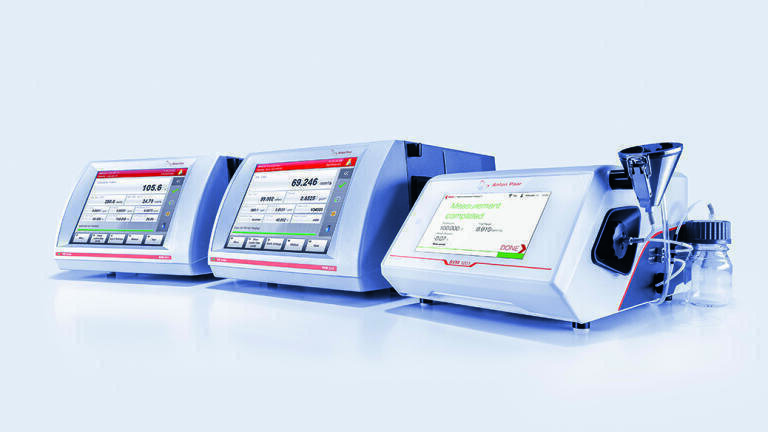
Anton Paar’s SVM series viscometers – from the entry-level SVM 1001 to the advanced SVM 2001, 3001, 3001 Cold Properties, and 4001 models – provide a proven solution for testing both established and novel fuels. With SVM you can cover viscosity from 0.2 mm²/s to 30,000 mm²/s, density from 0 g/cm³ to 3 g/cm³, and temperatures from -60 °C to +135 °C. The SVM 3001 Cold Properties model additionally determines cloud and freeze point. Across the series, compliance with ASTM, EN, and ISO standards is ensured, while accommodating the wider property spectrum of next-generation fuels.
Compared to manual glass capillary systems, SVM requires only 1.5 mL of sample and solvent per measurement, reducing solvent use by up to 75 % and increasing throughput by 150 %. This efficiency is particularly beneficial when handling limited or high-cost SAF and e-fuel samples. Robust metal measuring cells eliminate the risk of breakage and guarantee long-term stability across diverse testing conditions.
For R&D teams, the SVM 3001 enables advanced analysis through temperature and time scans, delivering data on fuel stability and additive performance in novel blends. In production and quality control, the SVM 1001 series provides a practical replacement for manual methods, delivering compliant results exactly where fuels are produced and handled.
With their broad measurement capabilities and compliance with over 50 international standards, the SVM series viscometers provide laboratories with the flexibility required to qualify both conventional and future fuels – ensuring smooth integration into today’s workflows and tomorrow’s energy landscape.
PIN 27.4 Aug/Sept 2026

 Product directory


.jpg)









.jpg)

.jpg)


.jpg)
.jpg)