Analytical instrumentation
Published over 16 years ago. See the latest and most current information on Analytical instrumentation.
LPG is chiefly composed of C3 and C4 hydrocarbons with single or double bonds; e.g., propane, butane, propylene and butylene. These compounds can easily become liquefied, even at room temperature and with a pressure above 5 bar. It is mainly used as a combustible and fuel (heating appliances and vehicles, etc.) or as raw material for the chemical industry and polymer industry.
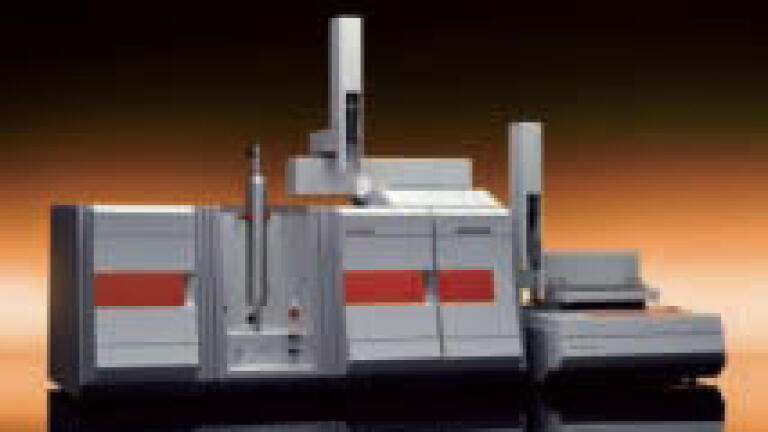
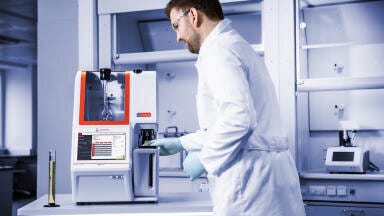
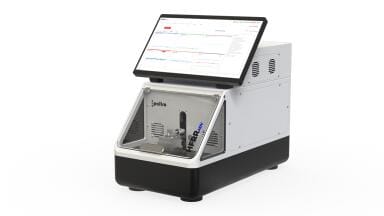
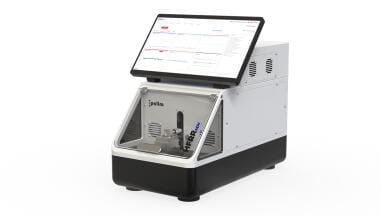
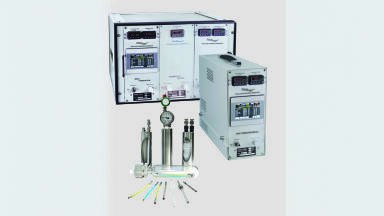
Analysis can be done easily with the analyser multi EA 5000 from Analytik Jena (Germany) combined with the automated LPG module in vertical operation mode. Free selectable sample volumes between 1-50 μl of the liquefied gases can be dosed with the LPG module. The vertical mode is particularly well-suited for the determination of element contents in trace and ultratrace ranges. The biphasic combustion process and the use of a surplus of oxygen ensure the complete oxidation of the various sample matrices. After the combustion the nitrogen content of the sample is determined using a highly sensitive chemiluminescence detector.
The calibration of the system with liquid standards is also suitable for the analysis of liquefied gases. This is especially interesting for analyses in the trace range because no suitable calibration gases can be manufactured for this purpose. Prior to the determination of the nitrogen content, the system is therefore calibrated for the observed range using standard solutions (pyridine in isooctane).
The analyser multi EA 5000 is particularly well-suited for the determination of the smallest amounts of nitrogen content in liquid gases. To optimise the analysis process, the volume of the dosed sample can be easily adjusted to match the expected element concentration of the sample. The dosing of the samples takes place automatically and with the utmost precision. This is reflected in an exceptionally small variance of the measured values for the matrix and tested concentration level. During parallel operation of a UV fluorescence detector the sulphur content can be recorded simultaneously. Moreover, the application spectrum can be expanded with accessory modules to include the parameters chlorine and carbon.
PIN 27.4 Aug/Sept 2026


 Product directory


.jpg)











.jpg)
.jpg)