Hydrogen fuel
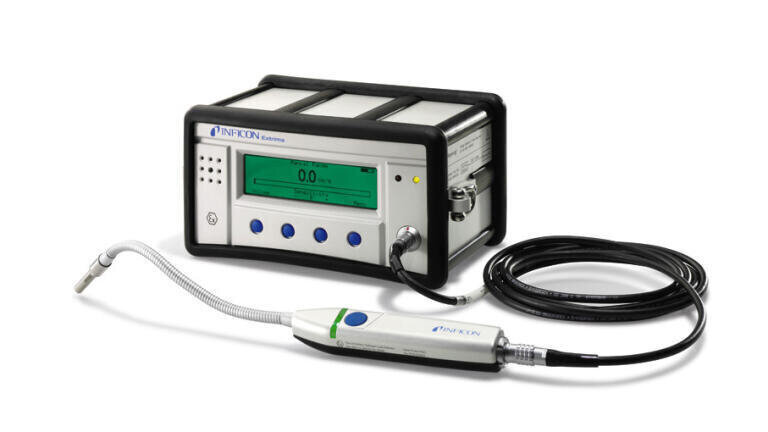
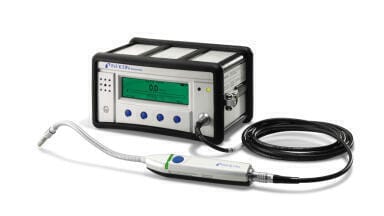
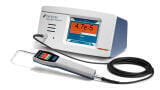
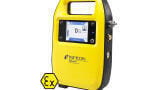
As the hydrogen economy accelerates, ensuring safety in leak detection has never been more critical. The Extrima Leak Detector from INFICON offers a cutting-edge solution for hydrogen-related industries, combining intrinsically safe operation (Ex ia IIC T3) with high sensitivity to hydrogen for reliable leak detection in the most hazardous environments - including Zone 0.
Certified by ATEX, IECEx, TIIS, NEPSI, and CSA, Extrima enables professionals to work safely in areas with flammable gases, supporting the increasing demand for hydrogen across power generation, fuel cells, and industrial processes. Using our proprietary sensor technology the Extrima detects leaks as small as 0.5 ppm or 5 × 10⁻⁷ cc/s when used in industrial leak detection applications with forming gas (5% H₂ in N₂). In applications using pure hydrogen (100% H₂) - such as fuel cell systems or hydrogen pipelines - sensitivity and detection speed increase even further, providing unmatched accuracy for critical safety operations.
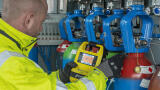
Designed for field reliability, Extrima is IP67-rated, battery-powered (7+ hours of operation), and built for harsh industrial use. It is widely used in aerospace and power generation, where it has proven to reduce maintenance time by over 50% while ensuring safe, leak-free operation in hydrogen systems and cooling infrastructure.
PIN 27.4 Aug/Sept 2026

 Product directory










.jpg)