Gas detector
Published over 13 years ago. See the latest and most current information on Gas detector.
A nationwide study of the methane leaks that occur during natural gas extraction is being led by Colorado State University' (CSU) Engines and Energy Conversion Lab. The study is hoping to quantify the amount of methane that leaks during the processes of extraction, storing and transporting natural gas.
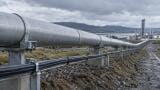
The study aims to measure the amount of methane leakage that occurs through the nation's interstate natural gas pipeline system and storage facilities. The announcement of the study comes after claims that natural gas usage in the US won't negate carbon emissions due to the levels of methane that can be released as a result. Methane is 25 times more damaging to the atmosphere than carbon dioxide.
Bryan Wilson, CSU mechanical engineering professor, said: "The primary component of natural gas, methane, is a greenhouse gas many times more potent than carbon dioxide when released into the atmosphere uncombusted.
"So, understanding how much methane leaks at various points along the supply chain, including the transmission and storage segment, is critical to discerning the potential or natural gas to offer climate benefits in various fuel-switching scenarios."
Mr Wilson will this month lead a team alongside researcher Dan Zimmerle that aims to start the data collection process concerning potential sources of methane throughout the natural gas transmission process. The research team will be including underground storage facilities and compressor stations in its study to better understand the process as a whole.
The US Environmental Protection Agency (EPA) estimated in its US Greenhouse Gas Emissions Inventory Report, that around 25 per cent of US methane emissions are created by the processes involved with using natural gas as a fuel source. Storage and transmission of the gas accounts for around 30 per cent of this total; making up 7.5 per cent of the total methane emissions for the country.
The study will take place throughout the summer and autumn and will be taking measurements to supplement existing data. It is hoped that results will be released throughout the first half of 2014, which could then help in the definition of a methane emissions rate in relation to storage and transmission systems.
PIN 27.4 Aug/Sept 2026


 Product directory


.jpg)













.jpg)