Gas detector
Published over 13 years ago. See the latest and most current information on Gas detector.
Natural gas is set to be one of President Barack Obama's biggest focuses in the fight to reduce the levels of greenhouse gas emissions. However, President Obama has also called for greater levels of research into the methane leaks that can occur during the processes of natural gas extraction, storage and transportation. Understanding the rate at which methane can leak through the use of natural gas could help to dispute claims that the heavy use of the fuel in the US will ultimately lead to greater levels of air pollution.
Natural gas - or shale gas - has been championed by many as the answer to clean energy. Using gas as a fuel and for energy production produces lower levels of greenhouse gases than traditional fossil fuels, meaning they are much greener. However, the extraction process along with the transportation and storage of the gas can result in high levels of methane leaks.
Methane is around 25 times more damaging in the atmosphere than carbon dioxide. Methane leaks cannot yet be accurately measured and estimates on the level of methane leaking are constantly changing. One thing that is agreed upon though is that greater control over the amount of methane leaking from natural gas extraction will result in it being a much greener fuel.
President Obama is seeking to address this issue whilst championing natural gas as the right fuel for the US. He said: "We should strengthen our position as the top natural-gas producer because, in the medium term at least, it not only can provide safe, cheap power, but it can also help reduce our carbon emissions. It’s the transition fuel that can power our economy with less carbon pollution."
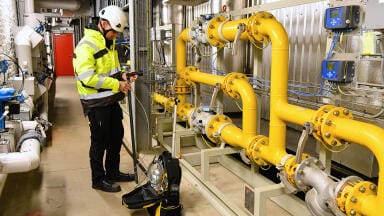
The first climate plan in the US includes measures for the natural gas industry to undertake in an effort to control methane leaks. More inspections are to be conducted on the compressor plants, gas wells and pipelines used in order to accurately ascertain the exact rate that methane can leak from each of these. This research could ultimately shape new regulations for the fuel industry, which could have the ability to help or hinder its growth.
PIN 27.4 Aug/Sept 2026


 Product directory


.jpg)



















.jpg)