Analytical instrumentation
Published over 13 years ago. See the latest and most current information on Analytical instrumentation.
Liquefied Petroleum Gases (LPG) are a group of hydrocarbon gases typically comprising three or four carbon atoms. The primary constituents of LPG are propane (C3H8), propylene (C3H6), butane (C4H12) and butylenes (C4H8). There is also increasing interest in the use of dimethly ether (C2H6O) as a potential substitute for propane, despite the drawbacks associated with its reactivity towards valve-seals and tubing.
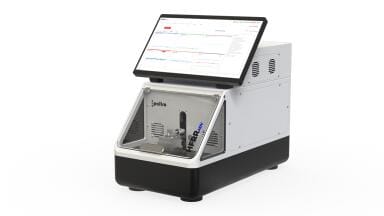
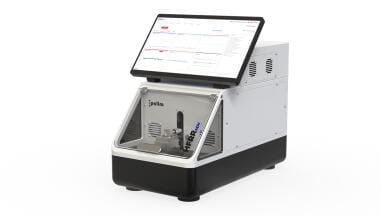
This application note describes a direct injection technique, which is fully compliant with ASTM D6667, for measuring low levels of sulphur in LPG using the Thermo Scientific iPRO 5000 S Total Sulphur analyser.
Download full application note: www.thermoscientific.com/ipro
PIN 27.4 Aug/Sept 2026


 Product directory


.jpg)







.jpg)
.jpg)