
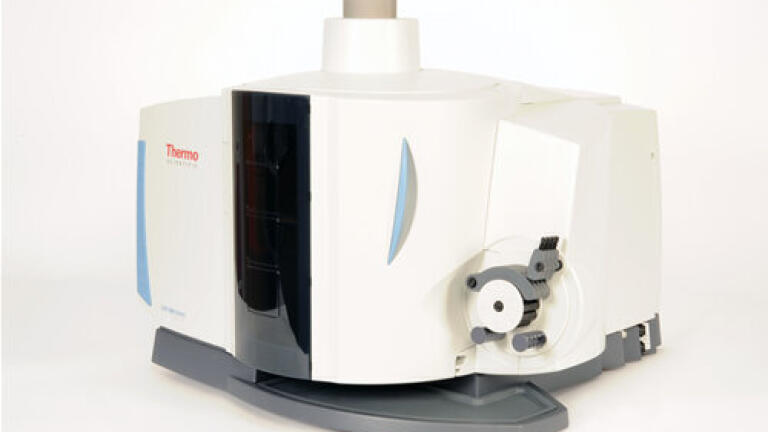
Analytical instrumentation
Published over 17 years ago. See the latest and most current information on Analytical instrumentation.
The analysis of trace metals in naphtha is important to the petrochemical industry, especially in the cracking of hydrocarbons process. The presence of trace metals can severely impede this process, as well as poisoning the catalysts used, which can be very expensive.
The analysis of organic solvents by ICP is historically considered problematic, especially when the solvents are volatile. A volatile solvent (with respect to ICP) is defined as a solvent that exhibits a vapor pressure greater than 30 mm Hg. When a volatile solvent, such as naphtha, is introduced into an ICP, the sample transport efficiency is much greater than that with aqueous samples and this leads to undesirable effects such as plasma instability.
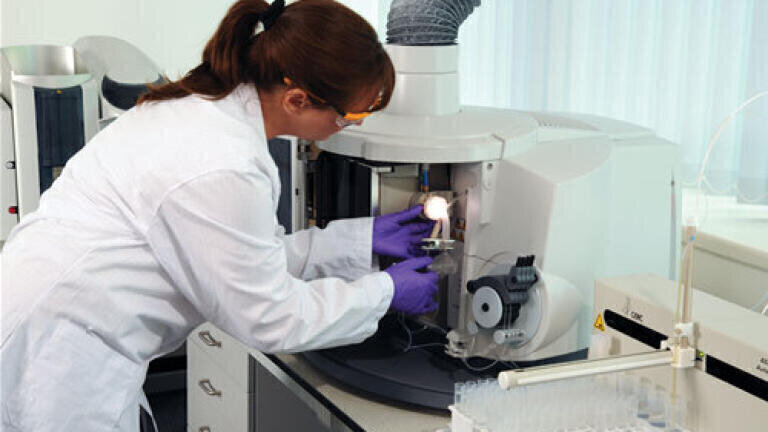
The ICP analysis of naphtha is simple when using the Thermo Scientific iCAP 6500 Radial ICP, with the addition of a Peltier cooled sprayed chamber. This is because the cooler temperature reduces the volatility of the solvent, which has the resulting effect of lowering the plasma loading when the solvent is aspirated.
The Thermo Scientific iCAP 6000 Series ICP is capable of detecting single figure and sub ppb concentrations of various elements within the complex and challenging naphtha matrix.
For more information visit the ICP Application Library
PIN 27.4 Aug/Sept 2026



 Product directory


.jpg)









.jpg)


.jpg)