Analytical instrumentation
Published over 8 years ago. See the latest and most current information on Analytical instrumentation.
In processes producing propylene, trace level carbonyl sulphide (COS) acts as a poison to commercial polymerisation catalysts, resulting in deactivation and costly process downtime. Standard methods like ASTM method D5303 addresses this analysis but is limited to the analysis of COS within the range of 0.5 to 4.0 ppm mass.
The determination of COS in propylene is the most challenging because COS is not separated from the propylene matrix. On many detectors, the COS response is heavily affected by the propylene matrix which results in erroneous results; particularly when going to the often-desired low levels of as low as 30 ppb Mol.
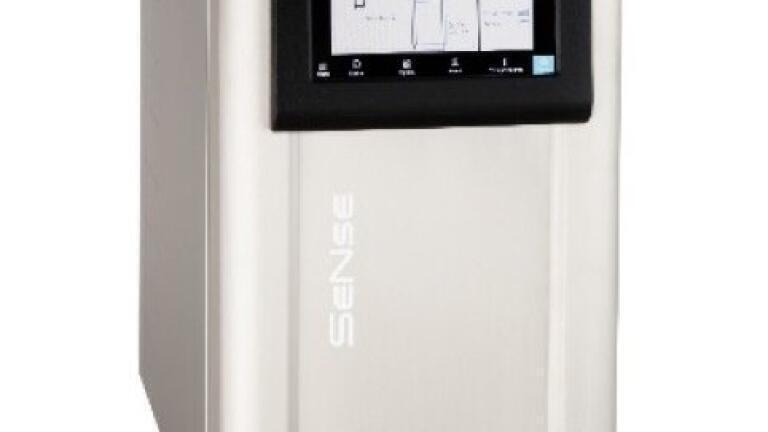
The PAC SeNse Chemiluminescence Detector is the most advanced GC Detector available for the selective determination of sulphur containing compounds in hydrocarbon matrices. The PAC COS in Propylene analyser not only overcomes the analytical challenge of COS/Propylene coelution by unmatched selectivity, but also addresses the desired detection levels. Its performance exceeds ASTM D5303 requirements, providing accurate and repeatable data down to 30 ppb Mol.
PIN 27.4 Aug/Sept 2026




 Product directory


.jpg)









.jpg)

.jpg)