Analytical instrumentation
Published over 7 years ago. See the latest and most current information on Analytical instrumentation.
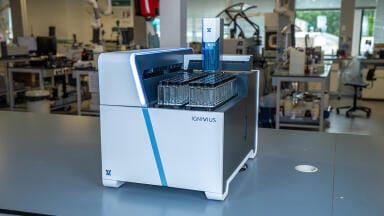
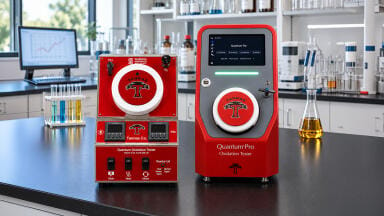
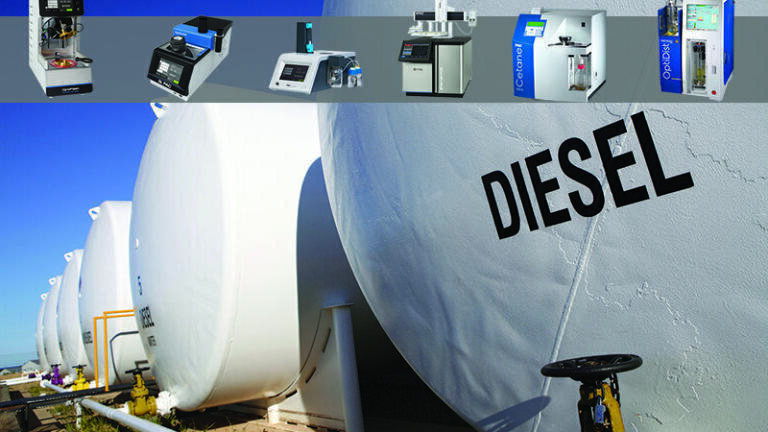
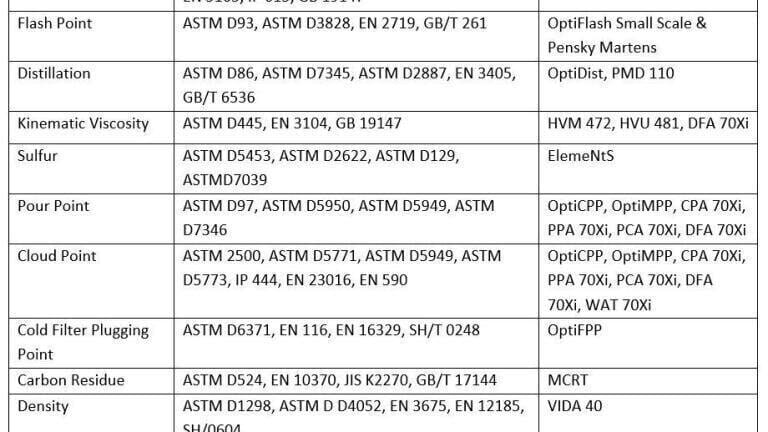
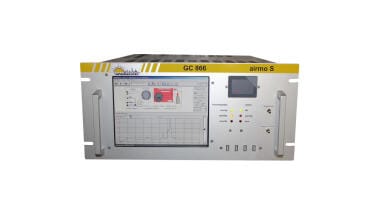
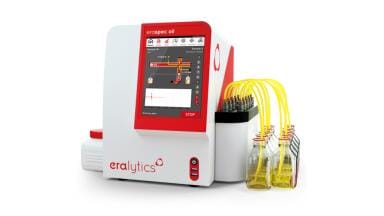
PAC analysers are designed to measure physical properties in diesel fuel and blending streams with minimal operator intervention. The most common diesel analyses include tests for cetane number, cloud point, cold filter plugging point, pour point, lubricity, and particulate contamination.
Our diesel portfolio complies with global industry standards ASTM D975, EU 590, ASTM D396, ASTM D396, ASTM D7467, ASTM D2880 and all the test methods referenced under them.
See list of the PAC method-compliant diesel fuel analysis solutions on the right.
The quality of diesel fuels needs to be measured every time its custody is transferred during its production, storage and distribution. Fuel suppliers, refineries, storage facilities and fuel transporters need to comply with standards and specifications to ensure the highest degree of diesel fuel quality. PAC instruments help you ensure compliance every step of the way.
Click here to visit our website to get more information, schedule a demo or get a quote.
PIN 27.4 Aug/Sept 2026




 Product directory


.jpg)










.jpg)

.jpg)