
Analytical instrumentation
Published over 10 years ago. See the latest and most current information on Analytical instrumentation.
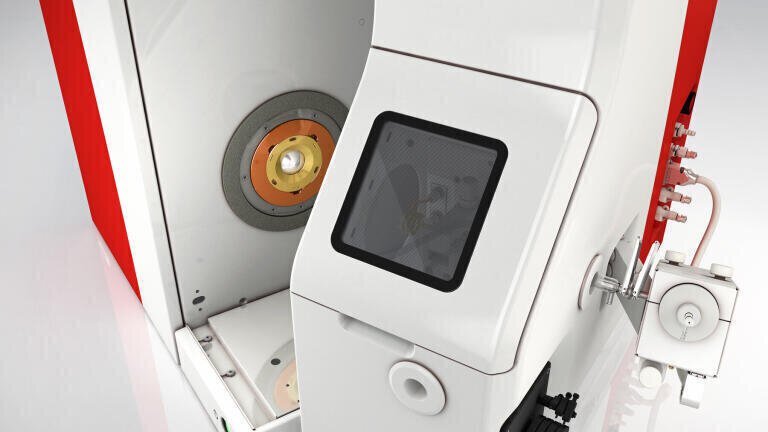
With its unrivalled sensitivity, the PlasmaQuant® MS Elite delivers the lowest detection limits of any ICP-MS when measuring both organic and inorganic species of arsenic in food and beverages. The high toxicity of inorganic arsenic means regular monitoring of food products is important. Various seafoods for example contain high levels of the less toxic organic arsenic species. Therefore, the dangers of arsenic depend not only on the total concentration, but also its chemical forms which vary in terms of toxicity and bioavailability. The use of arsenic based pesticides and fertilisers over the last century agriculture still contaminate soils today. Some regions are also affected by naturally-occurring inorganic arsenic present in groundwater.
The combination of HPLC and ICP-MS techniques is perfect for arsenic analysis. Complete peak separation of all species is achieved in under nine minutes. While the separation of individual arsenic species can negatively influence detection limits – as the total arsenic signal is now split over multiple species – the higher sensitivity of the PlasmaQuant® MS Elite recovers lost signal allowing lower levels of detection to be reached. With the PlasmaQuant® MS Elite, a detection limit of <4 ng/L is routinely achieved for common Arsenic species found in rice flour and apple juice samples.
Your benefits using PlasmaQuant® MS Elite:
For more detailed information please see the application notes 'Speciation of Arsenic in Apple Juice' and 'Speciation of Arsenic in Rice'.
PIN 27.4 Aug/Sept 2026


 Product directory


.jpg)










.jpg)

.jpg)