Analytical instrumentation
Published over 11 years ago. See the latest and most current information on Analytical instrumentation.
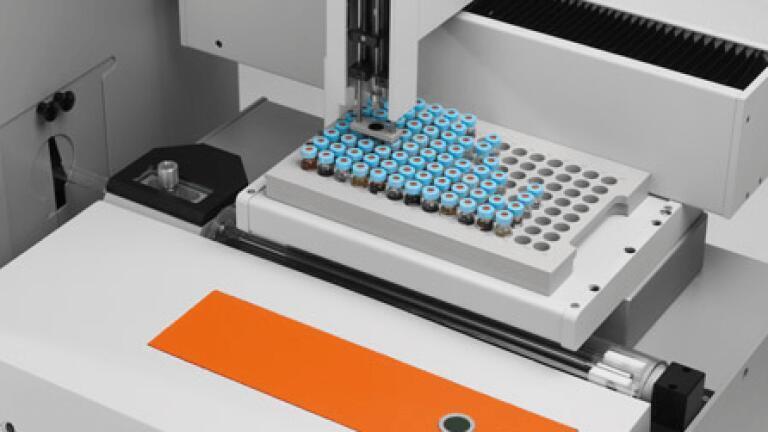
In refinery labs the fast and reliable determination of total chlorine is an important part of daily routine. The chlorine content in crude oil and its fractions is the main reason of corrosion, which causes considerable damage to pipelines and tanks, and catalyst poisoning. The preferred monitoring method is based on high temperature combustion followed by coulometric titration. The quantitative sample digestion is the crucial factor for correct analysis results. While light hydrocarbons like in final products are easily digesteable, crude oil and other viscose fractions, containing unsaturated and long-chained hydrocarbons, unfortunateley have a great tendency to incomplete combustion (soot). There is a great risk of erroneous analysis results caused by these matrix properties and increasing sample quantities. This can be prevented by the intelligent flame sensor technology of multi EA 5000, from Analytik Jena (Germany). It monitors and regulates the combustion, prevents soot and thus guarantees extremely accurate readings even for unknown samples.
PIN 27.4 Aug/Sept 2026

 Product directory


.jpg)










.jpg)

.jpg)