Sulphur analysis
Published over 5 years ago. See the latest and most current information on Sulphur analysis.
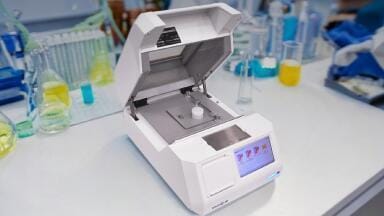
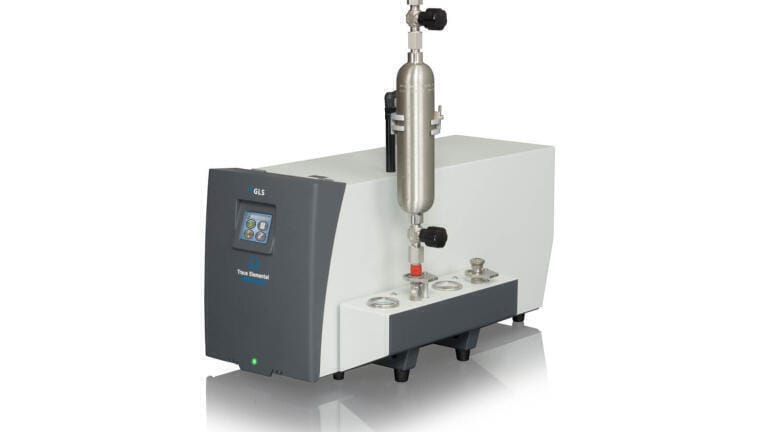
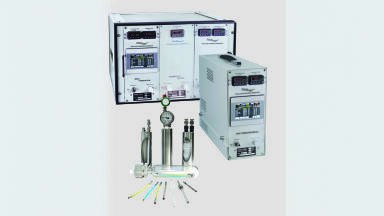
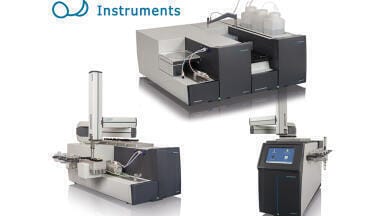
TE Instruments upgraded the advanced GLS Gas & LPG autosampler to enable the analysis of Sulphur in LPG matrices by liquid solvent calibration. This calibration method eliminates the need to purchase expensive LPG CRM standards for instrument calibration.
The ASTM D6667 states that typical calibration mixtures for analysing Sulphur in LPG are Dimethyl sulfide (sulphur source) in butane, propylene, or propane. These calibration mixtures are contained in pressurised cylinders to keep them liquefied, creating the right conditions for proper sample introduction. Generally, labs experience two downsides related to calibrating their element al combustion analyser with such calibration mixtures:
A new alternative is calibrating the Sulphur analyser with liquid solvent standards, which increases user convenience and lowers operational costs considerably. TE Instruments upgraded its existing solution for Sulfur in LPG analysis to enable liquid solvent calibration. This makes it possible to choose from three different calibration methods. Define the calibration method you desire:
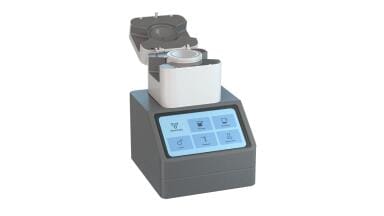
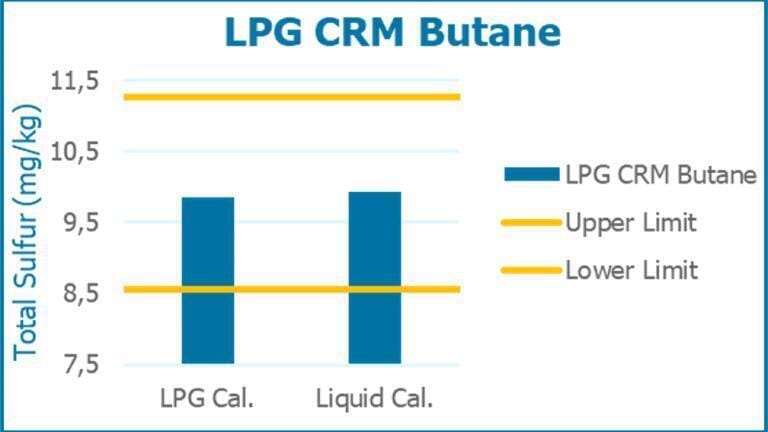
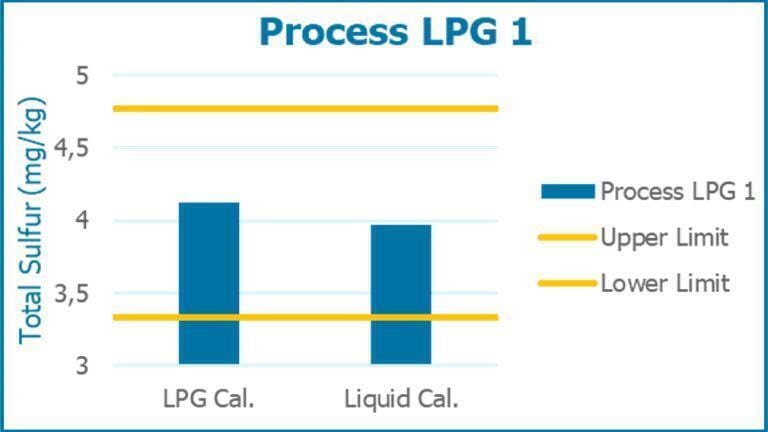
TE Instruments has generated data to demonstrate that this new calibration method is an excellent alternative. The Xplorer-S was calibrated using liquid solvent standards introduced by the Archie autosampler. The actual LPG samples were introduced automatically by the GLS autosampler. The Xplorer-S provides accurate results with standard deviations well within the repeatability limits (r) of the ASTM D6667, regardless of which calibration method is selected. The repeatability limits as shown in the attached figures have been calculated by the formula r=0.2707∙X0.7.
Contact TE Instruments to discover more about our advanced solutions for the analysis of Total Sulphur in LPG!
PIN 27.4 Aug/Sept 2026

 Product directory


.jpg)









.jpg)