.jpg)
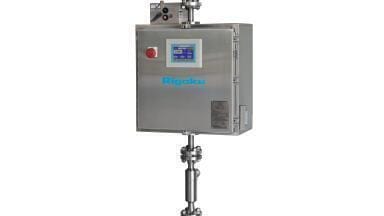
Sulphur analysis
But for anyone involved in emissions monitoring, fuel supply, or regulatory enforcement, MARPOL’s half-century journey tells the story of how international regulation has reshaped one of the world’s most polluting industries.
The International Convention for the Prevention of Pollution from Ships, or the MARPOL (MARine POLLution) Convention, was adopted by the International Maritime Organization (IMO) in 1973, following growing public concern over oil spills like the Torrey Canyon disaster.
A 1978 protocol, prompted by a string of tanker accidents, strengthened the original convention and allowed it to enter into force in 1983 as MARPOL 73/78.
The initial focus was on oil. MARPOL’s Annex I introduced strict controls on the discharge of oil from ships, including mandatory oily water separators and oil record books.
Over time, the regulations expanded to include chemicals in bulk (Annex II), packaged harmful substances (Annex III), sewage (Annex IV), garbage (Annex V), and, eventually, air emissions (Annex VI).
It was Annex VI, adopted in 1997 and enforced from 2005, that marked a turning point for emissions control.
For the first time, ship emissions to the atmosphere, not just discharges into the sea, became subject to regulation.
This annex set limits on sulphur and nitrogen oxides, banned ozone-depleting substances, and created special Emission Control Areas (ECAs) where even tighter limits applied.
The impact was transformative. In 2020, MARPOL’s most high-profile change took effect: the global sulphur cap.
This rule reduced the maximum sulphur content in marine fuel from 3.50% to 0.50%, slashing sulphur oxide emissions by millions of tonnes annually.
For the oil and gas industry, it meant a seismic shift in the marine fuel supply chain.
High-sulphur residual fuels, long a staple of ocean-going vessels, were displaced by low-sulphur fuel oils, distillates, and alternative fuels like LNG.
MARPOL also played a pioneering role in climate regulation.
In 2011, the IMO added the first ever carbon reduction rules for ships: the Energy Efficiency Design Index (EEDI) for newbuilds and Ship Energy Efficiency Management Plans (SEEMP) for all ships.
These paved the way for more aggressive carbon intensity targets, including the Carbon Intensity Indicator (CII) and the Energy Efficiency Existing Ship Index (EEXI), both implemented in 2023.
These measures, though modest compared to national climate laws, made shipping the first industry with globally binding greenhouse gas rules. They also triggered a boom in emissions monitoring and compliance technologies, from onboard sensors to fuel testing to real-time reporting platforms.
Over time, MARPOL has become more than a pollution control treaty. It’s a driver of innovation.
The push to comply with MARPOL rules has led to cleaner fuels, better engines, and smarter ship designs.
Scrubbers, selective catalytic reduction units, ballast water treatment systems, and onboard waste management solutions all owe their commercial viability to the regulatory environment MARPOL created.
Yet MARPOL’s success is also a story of evolving expectations. What counted as clean shipping in 1983 would be wholly inadequate today.
Emissions once seen as an acceptable trade-off for global trade, pollutants like sulphur, nitrogen, carbon, methane, are now regulated, measured, and scrutinized.
The convention continues to evolve through regular amendments and new annexes, often shaped by the IMO’s Marine Environment Protection Committee (MEPC).
Looking ahead, MARPOL’s next chapters will focus heavily on decarbonization, digital compliance, and lifecycle fuel emissions.
New fuel standards, carbon pricing mechanisms, and even regulations on methane slip and onboard carbon capture are already under development.
The framework that once addressed oil spills and garbage is now preparing to govern zero-emission shipping and onboard CO₂ removal.
For professionals working with process monitoring, fuel quality control, and emissions compliance in oil, gas, and petrochemicals, MARPOL is not just a distant maritime treaty, it’s a powerful force shaping product specifications, service demand, and technological development.
Every amendment means new instrumentation requirements, new documentation, new risks and new opportunities.
In the end, MARPOL’s greatest legacy may be its proof that global environmental standards can work.
By raising the floor for environmental performance across 99% of the world’s shipping tonnage, MARPOL has helped reduce pollution without halting trade.
As shipping heads into a decarbonized future, the convention will remain the legal and technical backbone of the industry’s environmental commitments.
By Jed Thomas
PIN 27.4 Aug/Sept 2026



 Product directory


.jpg)






_Marine_Environment_Prot.jpg)
_Marine_Environment_Prot.jpg)




.jpg)





.jpg)