Sulphur analysis
Refiners face increasing pressure to produce higher-quality fuels while optimising efficiency. Over the past decade, global regulatory bodies have enforced or announced stringent limits on total sulphur content in petroleum products, with levels as low as 10 mg/kg.
In parallel, global initiatives drive an increased share of biofuels derived from renewable feedstocks. Therefore, refineries must invest substantially in new equipment, upgrade existing infrastructure, modify operations, or combine these strategies. Regardless of the approach, such changes invariably raise the cost of producing conventional and alternative fuels.
Moreover, adjusting feedstocks to comply with sulphur regulations introduces complexities, as most analysers are calibrated for specific parameters such as pressure, temperature, flow rate, viscosity, and composition. This is particularly problematic for analysers requiring sample conversion or pre-treatment, which increases operational complexity and costs.
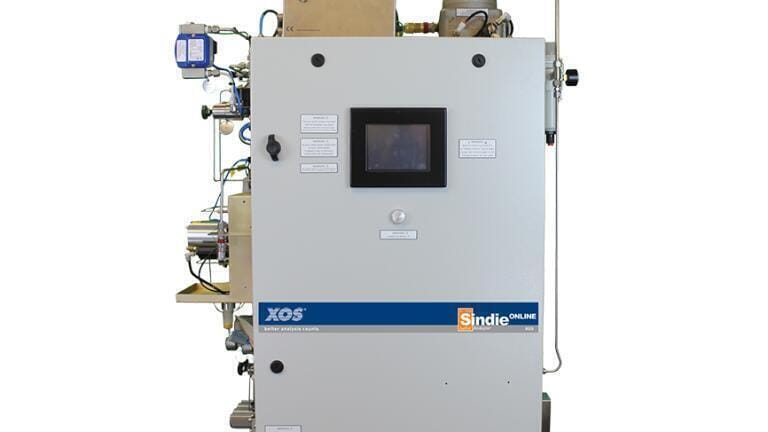
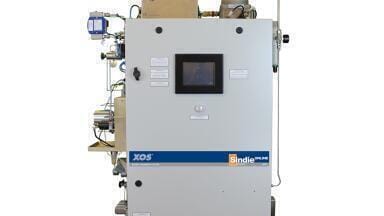
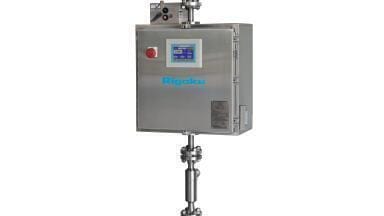
In contrast, X-ray fluorescence analysers, like XOS’ Sindie Online, offer significant advantages due to their inherent non-destructive analysis. XRF technology eliminates the need for sample combustion, solvent mixing, or density adjustment, ensuring reliable performance across a broad range of sulphur concentrations - whether at ultra-low levels (e.g., 10 mg/kg) or higher thresholds. A robust calibration and validation program tailored to the measurement range further enhances precision.
Every milligram of sulphur removed from petroleum products comes at a substantial cost. Refineries incur expenses related to hydrogen, catalysts, energy, and capital investments in hydrotreating technology - additionally, operational factors such as catalyst replacement downtime and limited lifespan of catalysts further impact overall costs. Catalyst performance is heavily influenced by operating temperature, space velocity, and hydrogen partial pressure, necessitating meticulous control to optimise sulphur removal and longevity.
Another option is to change feedstock composition to reduce sulphur at the source, but this comes with trade-offs. Low-sulphur crude or alternative feedstocks often command a premium or may introduce other contaminants, requiring additional processing.
PIN 27.4 Aug/Sept 2026


 Product directory


.jpg)













.jpg)






.jpg)