
Sulphur analysis
Published over 13 years ago. See the latest and most current information on Sulphur analysis.
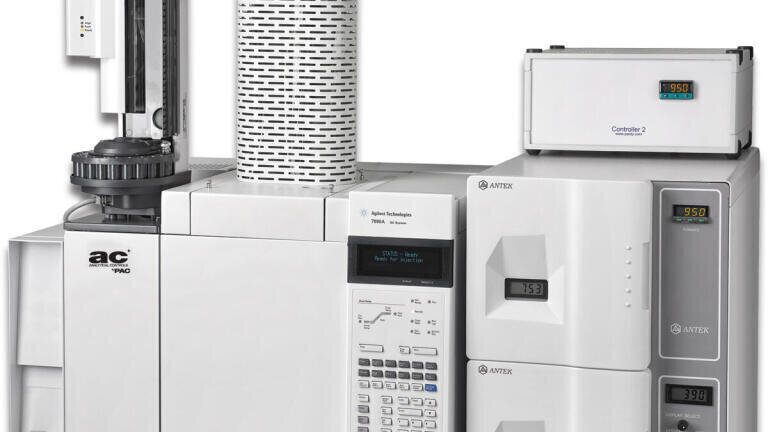
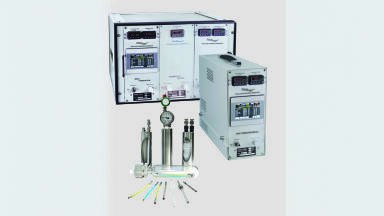
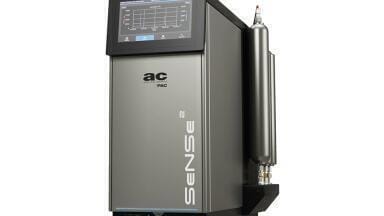
ASTM recently published ASTM D7807 – 12, “Standard Test Method for Determination of Boiling Range Distribution of Hydrocarbon and Sulphur Components of Petroleum Distillates by Gas Chromatography and Chemiluminescence Detection”, which extends the scope of the already-existing ASTM D2887 to include sulphur boiling range distribution in the petroleum distillate fractions. PAC’s (USA) AC Analytical Controls CNS SIMDIS for Crude Oil, an analyser that simultaneously determines the boiling range distribution of Carbon, Nitrogen, and Sulphur in crudes and final products, is in full compliance with this latest method from ASTM.
In the Hydrocarbon Processing Industry, crude characteristics and its final products are changing as the quality of crude is declining. They tend to be heavier and also contain unwanted species, such as sulphur and nitrogen. Refineries routinely run crude assays to optimise crude cut points and product value. Traditionally, performing crude assays is a time consuming and difficult process. The CNS SIMDIS for Crude Oil completes crude assays analysis at a fraction of the time and cost of the traditional methods.
By quickly determining crude oil characteristics, the CNS SIMDIS helps customers make timely adjustments to their process to optimise end products, meet stringent product specifications, and improve profitability. In addition, it can detect sulphur concentration, which is essential since sulphur compounds can corrode metals and poison catalysts.
Watch the recorded webinar, “Simplify Crude Assays to Increase Lab Productivity and Improve Production”, and explore the new CNS SIMDIS for Crude Oil. The webinar will detail:
For more information, go to www.paclp.com.
PIN 27.4 Aug/Sept 2026


 Product directory


.jpg)











.jpg)