Safety
Hydrogen sulfide (H₂S) remains one of the most serious hazards in oil and gas operations. Even brief, low-level exposure can threaten worker safety and disrupt operations. Reliable detection is important, but legacy sensor technologies - both MOS (metal oxide semiconductor) and earlier electrochemical designs - often left operators facing challenges in reliability, maintenance, and long-term performance.
While MOS and traditional electrochemical sensors provided certain advantages, they also came with significant limitations. One of the primary issues was their frequent calibration requirements. Due to factors such as drift, span instability, and electrolyte consumption, these sensors typically needed recalibration every one to three months. Additionally, they were highly sensitive to environmental conditions - exposure to high heat, low humidity, or freezing temperatures could reduce their lifespan or impair response times.
Another major concern was the risk of undetected failure. These sensors did not reliably alert operators when they were poisoned, blocked, or nearing the end of their operational life. Finally, their overall service life was limited. Most needed to be replaced every two to three years, and even spare units tended to degrade while in storage.
These issues translated into higher maintenance costs, reduced uptime, and potential gaps in safety coverage.
To address these challenges, MSA Safety developed the XCell® H₂S electrochemical sensor, designed to deliver stronger reliability, longer life, and reduced maintenance.
The XCell sensor features TruCal® technology, which performs automated self-checks every six hours. Each cycle verifies that the sensor remains capable of responding to gas and compensates for environmental effects such as temperature and humidity. When equipped, the optional Diffusion Supervision feature also checks for inlet blockages. If the inlet is substantially obstructed, the detector issues a fault indication so operators can respond.
This process helps reduce the risk of relying on a detector that appears to be working but cannot detect gas.
Where older sensors required frequent calibrations, TruCal extends intervals to as long as two years, subject to site conditions and regulatory requirements. This helps lower technician exposure in hazardous areas, reduce downtime, and decrease maintenance costs over the life of the device.
The XCell sensor is designed for more than five years of operation and comes with a three-year warranty. Its non-consuming ionic liquid electrolyte resists evaporation, delivering longer service life and improved stability compared to traditional designs. Spare sensors can also be stored for up to three years without degradation, easing inventory management.
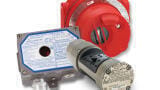
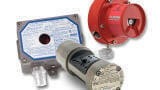
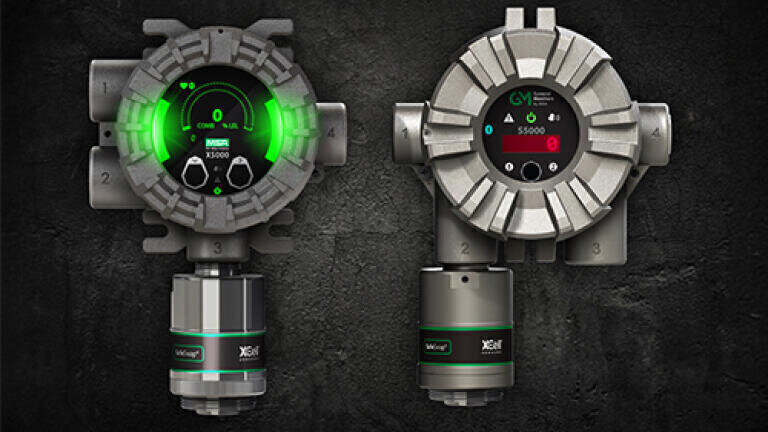
The XCell H₂S sensor is available for use with both the ULTIMA® X5000 and General Monitors® S5000 gas detectors. These platforms support single or dual sensors, allowing one device to monitor multiple hazards. Both transmitters are compatible with a wide range of sensing technologies, including electrochemical, catalytic bead, and infrared.
User-friendly features such as a touchscreen interface, Bluetooth® connectivity via the MSA X/S Connect App, and the optional CalGard Remote Calibration Adapter further simplify operation and maintenance.
For sites with legacy detectors, upgrading to these platforms is straightforward. They offer compatibility with existing infrastructure in many cases, allowing operators to modernize detection capabilities without costly rewiring or redesign.
Legacy MOS and electrochemical sensors served the industry for decades, but their limitations in calibration, service life, and reliability created ongoing challenges. The XCell H₂S sensor with TruCal technology represents a new generation of detection – automated self-verification, longer calibration intervals, extended life, and reliable performance across harsh environments.
For oil and gas professionals committed to protecting workers and facilities, upgrading to the ULTIMA X5000 or S5000 with XCell sensors provides a safer, more reliable, and more cost-effective approach to H₂S detection.
PIN 27.4 Aug/Sept 2026



 Product directory