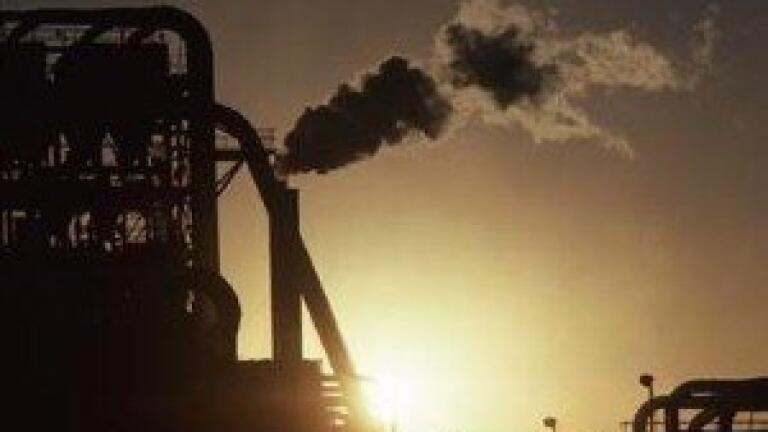
The effect of trading emissions allowances has been investigated by one scientist, who claims that the practice does not cause pollution hotspots.
Programs that allow US businesses to buy and sell credits to reduce emissions have been criticised by some spectators, who believe this could cause some areas to suffer from more pollution than others.
However, professor at the Indiana University School of Public and Environmental Affairs Evan Ringquist claims that this problem has not occurred.
The study looks particularly at amendments to the Clean Air Act in 1990, when the sulphur dioxide (SO2) allowance trading program was introduced.
While the suggested hotspots were found to have not appeared, "allowance trading appears to concentrate SO2 emissions in areas with large percentages of people without a high-school education."
The full paper is due to be published in the spring.
Professor of biochemical engineering at the University of Cambridge Howard Chase recently revealed a potential new way to reduce emissions, by turning waste motor oil into fuel.
He unveiled his ideas at the 241st National Meeting & Exposition of the American Chemical Society, where he announced that 90 per cent of waste oil could be recycled in this way.



 Product directory


.jpg)




















.jpg)