
Safety
Published over 13 years ago. See the latest and most current information on Safety.
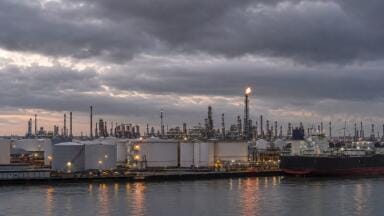
California safety regulations could be to partly to blame for the fire that broke out in August at Chevron Corp’s oil refinery in the state, officials have said.
The federal agency investigating the blaze pointed to the state’s regulatory system for not being forward enough when it comes to preventing accidents in the first place, Reuters reports.
Speaking at a public hearing on Friday (April 5th), Dan Tillema, the US Chemical Safety Board’s lead investigator, commented: "The California process safety regulatory system lacked sufficient well-trained, technically competent staff and also lacked more rigorous regulatory requirements to require Chevron to reduce safety risk.”
Meanwhile, CSB Western regional director Don Holmstrom, said that California should change its regulator system.
The state should adopt one called “safety case”, he said, in which dangerous industrial plants like crude oil refineries would not be allowed to begin operating until they have proven they have cut all safety risks to as low as is reasonably practicable.
He said: "That is a pre-condition for operating.
"There's a need for step change (in safety regulation) ... the whole system needs improvement."
He highlighted that the current health and safety system allows high-hazard facilities to operate, with those responsible being punished only when something goes awry, or they are found to be in violation of a regulation.
Chevron spokeswoman Melissa Ritchie said that the company was to look at the proposed changes to safety regulations.
"We will engage in constructive dialogue regarding any proposed industry-wide regulations that will allow us to remain competitive and operate at the highest levels of safety," she said.
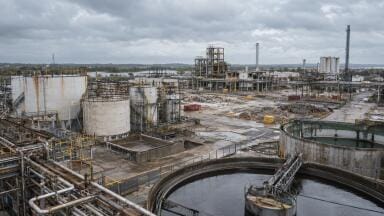
The Chemical Safety Board also faulted Chevron’s failure to replace a heavily corroded pipe at the crude distillation unit. This pipe ruptured, setting off the fire. Luckily, only minor injuries were caused.
PIN 27.4 Aug/Sept 2026



 Product directory


.jpg)



















.jpg)