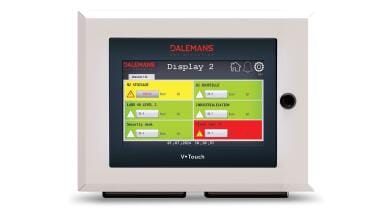
Plant safety and reliability, accident prevention and process and product quality are today the top themes in industrial plants. Safety measures are top priorities particularly in plants with an increased danger potential, such as for example in the oil, gas, chemical and pharmaceutical industries, in power stations and of course in mining. Temperature monitoring is a highly charged issue. Overheating, fires and leakages can cause immense damage. The earlier the risk is recognised and can be localised, the higher the chance of preventing
damage to people, machinery and the environment.
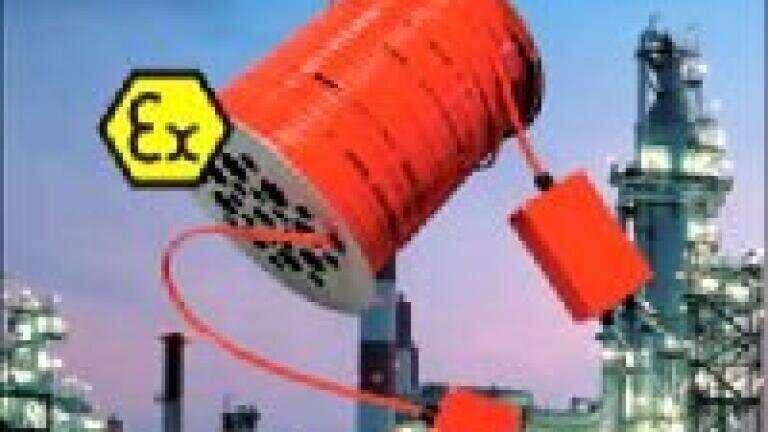
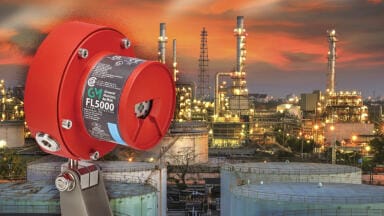
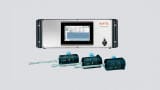
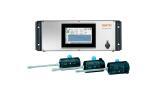
Bartec`s (Germany) patented RedGuard® Temperature Monitoring System offers an easy and safe temperature monitoring solution also for hazardous areas. Application areas are LNG terminals for example where the temperature monitoring system is used for the detection and localisation of leakages. For temperature sensitive processes the system is used for guarding the product quality by monitoring of
temperature limits along a pipe or vessel. For this kind of applications in hazardous areas Bartec offers a special configuration of the RedGuard temperature monitoring system.
The Ex version conforms to the ATEX directives 94/9/EC and is tested and approved for use in gas areas and dust areas.


 Product directory


.jpg)










.jpg)