Measurement and testing
Published over 17 years ago. See the latest and most current information on Measurement and testing.
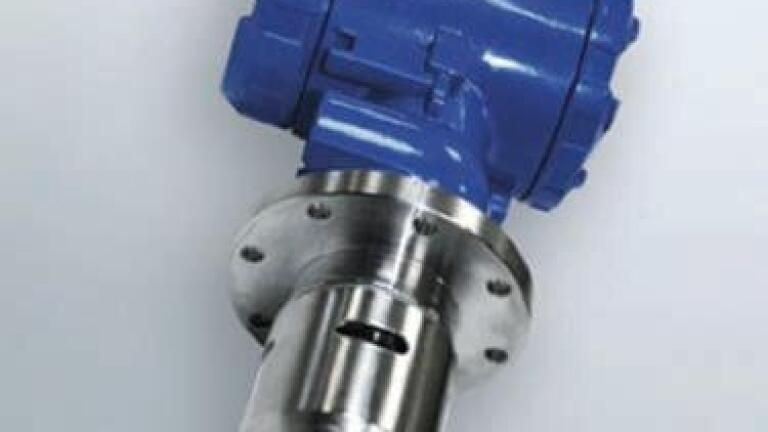
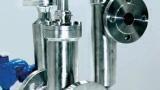
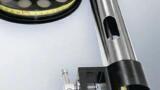
LEMIS process DC-4xx series of process in-tank liquid density and viscosity meters (density and viscosity separately or both parameters) are ideal for real-time, in-situ monitoring and control applications
within the oil and gas, petrochemical industry.
LEMIS process engineers introduced unique proprietary design of resonant tube sensor allowing accurate measurement of liquid viscosity, along with its density. An integral high accuracy Pt-1000 probe continuously monitors liquid temperature allowing temperature compensation and future calculation of reference viscosity, density, concentration or specific gravity.
The new sensor of DC-42x type offers to plant engineers the ability to measure simultaneously and continuously both critical variables within the process liquid in one device saving cost of installation and maintenance. The DC-4xx series covers wide range of density, viscosity and temperature. Numerous installation options give large flexibility to fit various applications. The sensor can be installed into a tank using different types of installation: direct insertion, top, bottom or side mounting. This technique can be employed in open or pressurised tanks and reactors. The meters have approvals for use in hazardous areas.
PIN 27.5 Oct/Nov 26


 Product directory


.jpg)






.jpg)



.jpg)