Measurement and testing
Published over 12 years ago. See the latest and most current information on Measurement and testing.
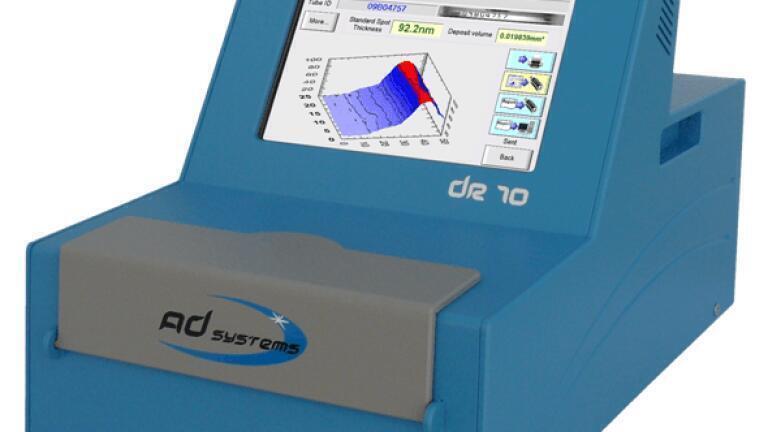
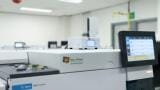
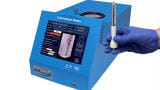
The revision of ASTM D3241-2013 Test Method for Thermal Oxidation Stability of Aviation Turbine Fuels passed the ASTM D02 (14-01) ballot. An annex 2 will be added and will describe the use of the DR10, from AD Systems (France).The revised D3241 will be published soon.
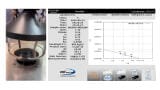
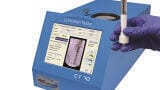
With the DR10, the heater tube is prepared according to ASTM D3241 test procedure and is then placed in the test chamber of the DR10. Light is emitted and directed onto the surface of the heater tube. The reflected light is collected and the interference created by the deposit is monitored by the spectrometer. The software analyzes the interference and calculates the deposit thickness. Precise thickness measurements are taken at 1,200 points along and around the tube surface. A detailed test report is ready in minutes. The report provides a 3-D profile of the deposit distribution on the tube surface. The software automatically detects and reports the Standard Spot Value, which is the mean deposit thickness of the thickest 2.5 mm2 area as defined in ASTM D3241. The average and the maximum thickness deposit values, as well as the calculated total deposit volume are reported. For complete test traceability, the DR10 report is tagged with the heater tube serial number picture taken by the built-in camera.
PIN 27.5 Oct/Nov 26


 Product directory


.jpg)










.jpg)


.jpg)