Level measurement
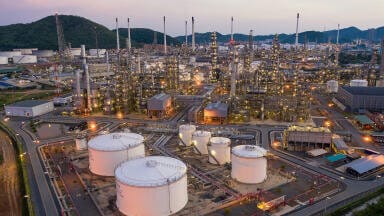
Producing synthetic fuels requires precise control of complex, highly automated processes. At its production plant in Bogumiłów, the Polish company Ekobenz sp. z o.o. relies on continuous monitoring and analysis of process conditions to ensure stable operation and consistent product quality. To achieve this, VEGA sensors are used to accurately measure levels and separation layers at critical points throughout the production process.
Synthetic fuels are created through chemical synthesis and currently represent an attractive alternative to fossil fuels and other solutions for reducing CO2 emissions, such as electric vehicles. The main advantage of these fuels is that their use only requires a small amount of retrofitting: They can replace conventional fuels in combustion engines that already exist, thereby reducing the CO2 footprint of the industrialised world.
Synthetic fuels are produced using ethyl alcohol, which begins the process of bio-hydrocarbon synthesis under the influence of a catalyst. Through further separation of the products generated in this process, pure bio-butane-propane (Bio LPG), liquid bio-hydrocarbons (bio gasoline) and aromatic bio-hydrocarbons can be obtained.
“We’ve upgraded our production facility with a unique automation solution,” said Piotr Kobiec, Ekobenz Production Manager at the Bogumiłów plant. “To reduce CO2 emissions, we’ve developed technologies that are unique worldwide, built up a state-of-the-art machine park and a first-class production system that is second to none,” he added.
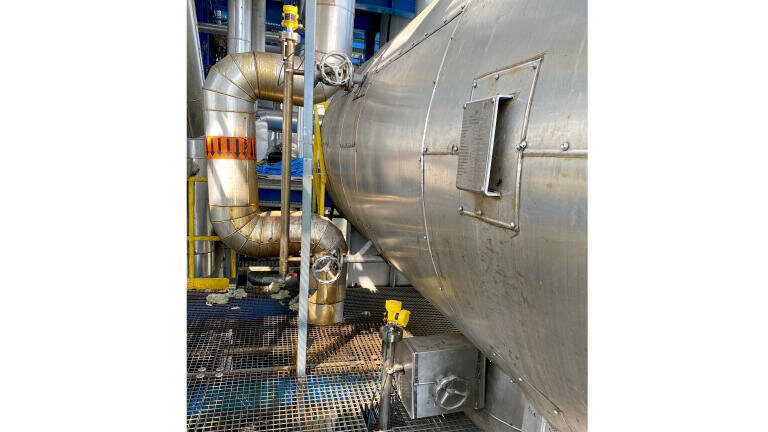
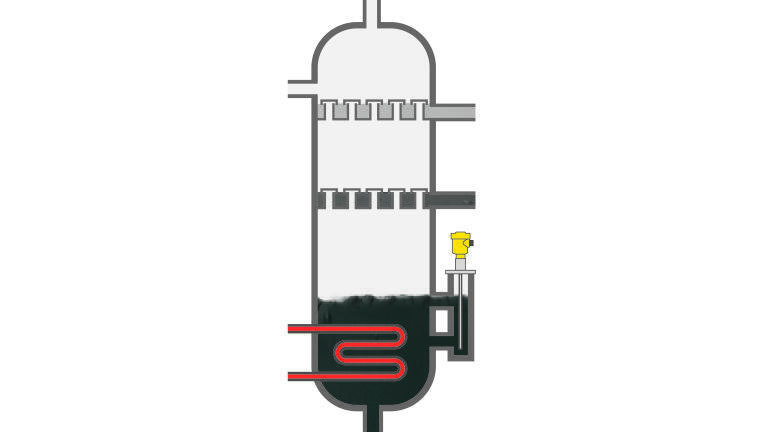
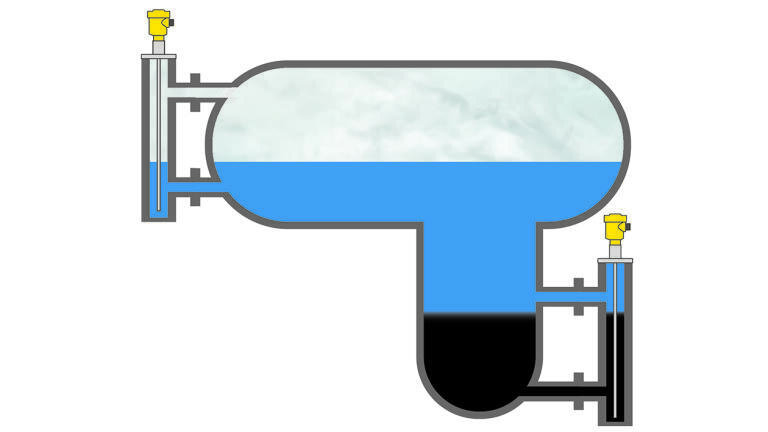
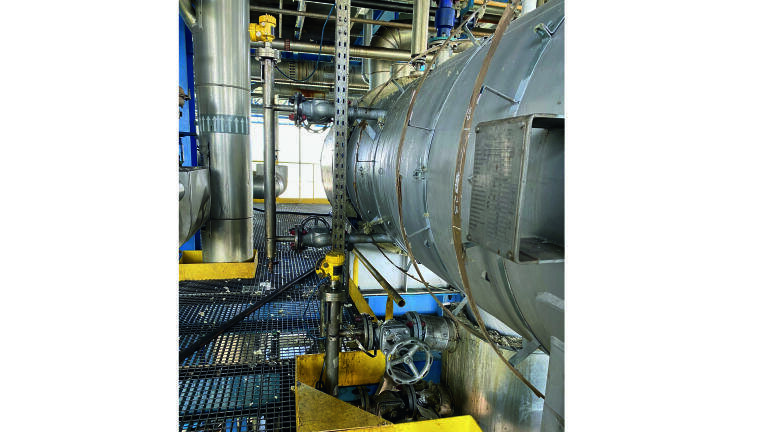
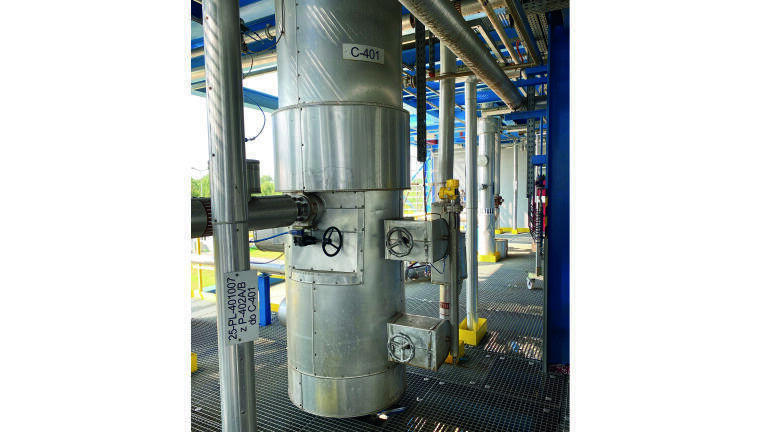
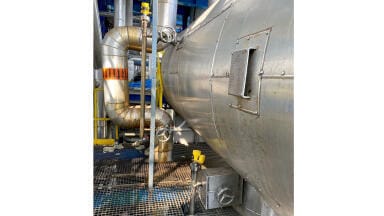
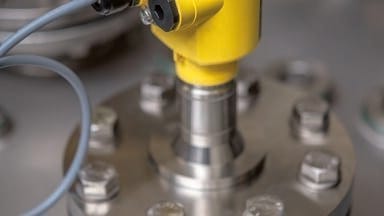
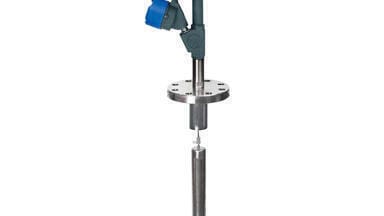
An indispensable part of the plant are sensors that enable precise monitoring of the process parameters. VEGA instruments therefore play a central role at the Ekobenz plant: In the 3-phase separator, a VEGAFLEX 81 level sensor with guided radar measures the hydrocarbon/water interface layers. This measurement is crucial for controlling the amount of water pumped from the tank to the wastewater treatment plant. This protects the wastewater facility against unwanted hydrocarbons that would otherwise contaminate the water. While this continuous interface measurement is carried out with VEGAFLEX 81 at the bottom of the columns, VEGAFLEX 86 guided radar sensors in the bypass tubes ensure that the overall level remains stable throughout the entire process. For optimal operation of the system, the bypass measurement must remain reliable at all times, even under the extreme pressure and temperature conditions.
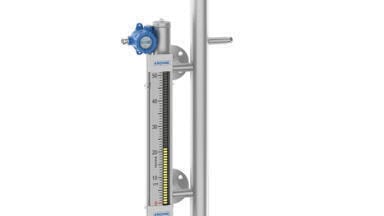
Before Ekobenz equipped the measuring point with VEGA radar sensors, it had used basic magnetic float level transmitters for this task. However, buildup on the floats, a classic side effect of this process, caused measurement errors again and again. The system operators cleaned the floats almost daily, making operations extremely cumbersome. Also, there was poor process control due to the measurement instability, so the management decided to replace the level transmitters with something far better.
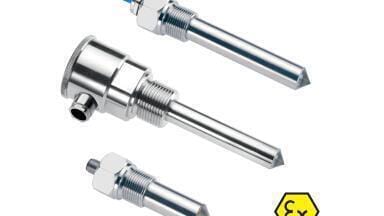
VEGA provided the solution. The measurement technology company offered precise, maintenance-free measurement of the process levels and interface layers with VEGAFLEX guided radar sensors. These instruments would turn out to be perfect for the application. The selected version, VEGAFLEX 81, measures all types of liquids under both standard and highly challenging process conditions. It can even handle applications with heavy buildup, steam or foam. In Ekobenz's production, it was important that the sensors could withstand the high temperatures, ranging between 140 and 280°C, and the strong temperature fluctuations in the columns. Another major requirement at the plant in Bogumiłów was Ex protection certification (ATEX).
VEGA met all the technical requirements and proved the effectiveness of their sensors during extensive tests in the plant. They also ensured that the implementation process, from selection of the sensors to their commissioning and daily use, was as simple and straightforward as possible for the customer.
PIN 27.5 Oct/Nov 26


 Product directory


.jpg)




.jpg)