Level measurement
Published over 11 years ago. See the latest and most current information on Level measurement.
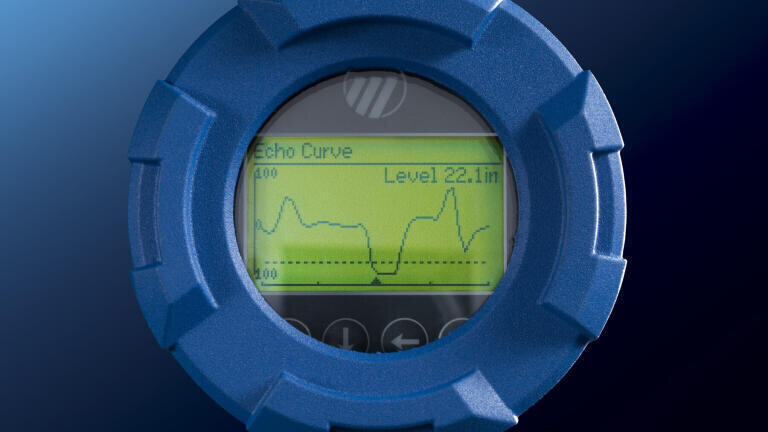
Level measurement applications in natural gas, condensate and crude processing have some special requirements that are not always evident from instrument data sheets. The potential of solids or other materials building up on a guided wave radar probe is one example. The experience of Magnetrol field engineers has led to the development of some simple but effective level measurement techniques to address field issues related to buildup that may not be evident in data sheets.
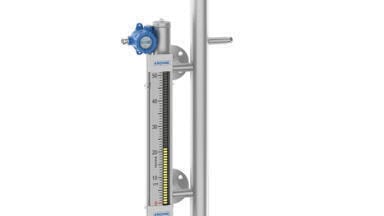
Natural gas, condensate and crude processing applications can experience paraffin, asphaltenes, grit and grime. The degree to which any of these can accumulate on guided wave radar (GWR) probe buildup varies by application. Even in applications where buildup isn’t typically prevalent, it can happen over time, during cold weather periods, or when bringing units up or down due to temperature, pressure and process material fluctuations. Like distillation columns, chambers/cages/bridles may require cleaning from time to time. Below are some good practices that can minimize buildup and reduce maintenance time.
The use of enlarged coaxial GWR probes with more clearance reduces the chance for buildup to occur.
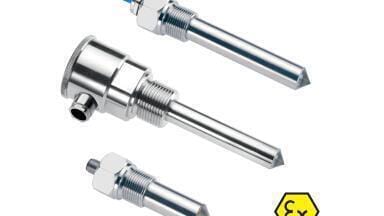
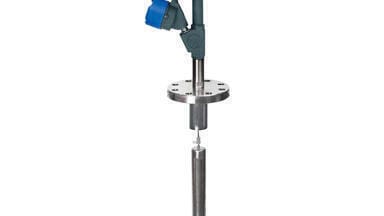
Consider using a chamber probe whenever possible. Magnetrol offers a unique family of chamber probes, which combines the sensitivity and performance associated with coaxial probes with the viscosity immunity of a single rod.
Insulate the probe necks of overfill probes to reduce any cooling at the top of the probe inside the vessel, chamber, cage or bridle.
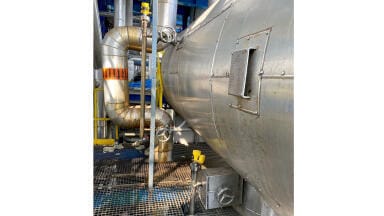
Chambers should be insulated even in warm weather locations. The temperature differential between a warm/hot vessel (like a separator) and uninsulated chamber/cages can be significant, resulting in paraffin deposition and/or viscosity increases.
Insulate chamber flanges to reduce any cooling at the top of the probe.
Use probes with integral flushing connection to simplify flushing/dissolving paraffin or grit. Flushing connections are an option available on all MAGNETROL coaxial GWR probes.
PIN 27.5 Oct/Nov 26


 Product directory


.jpg)












.jpg)