Fuel analysis
As demand for sustainable energy solutions continues to grow, industries worldwide are exploring alternative fuels and lubricants to reduce dependence on fossil resources. Declining oil reserves, climate change, and increased environmental awareness are accelerating this shift, with substitute fuels and environmentally acceptable lubricants (EALs) playing a crucial role in the transition.
Among the most promising alternatives is renewable diesel, also known as hydrotreated or hydrogenated vegetable oil (HVO). It can be produced by hydrocracking or hydrogenation from a wide variety of sustainable raw materials, including vegetable oils, waste oils, and residual fats. HVO closely mirrors conventional fossil fuel in performance, offering excellent oxidation stability, hydrolysis resistance, and superior cold flow properties. Similarly, gas-to-liquid (GTL) diesel, derived through the Fischer-Tropsch process, provides exceptional storage stability and clean-burning performance, as it consists primarily of stable paraffinic hydrocarbons and contains no toxic or carcinogenic aromatics.
The shift to eco-friendly lubricants is essential in mitigating the negative environmental effects of traditional lubricants. While EALs improve sustainability by incorporating bio-components, some of these components can negatively impact key lubricant properties such as high-temperature performance and oxidation stability. As a result, their shelf life may be shorter compared to that of mineral oils.
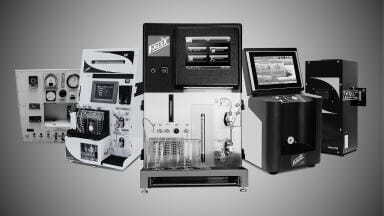
To assure and maintain the quality and safety of sustainable fuels and lubes, Anton Paar offers a variety of testing instruments and systems.
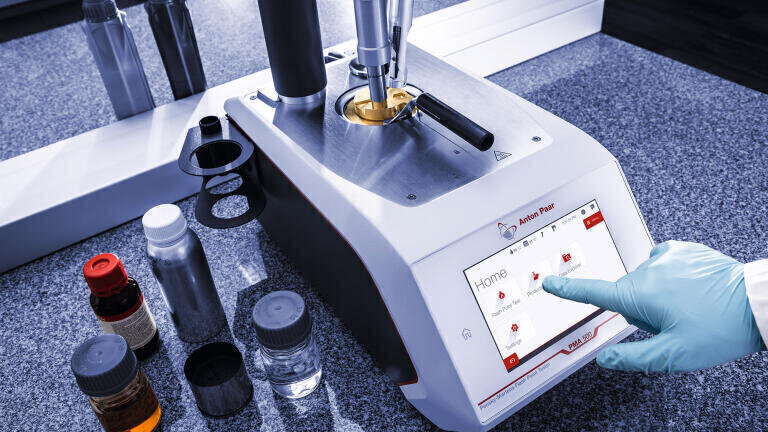
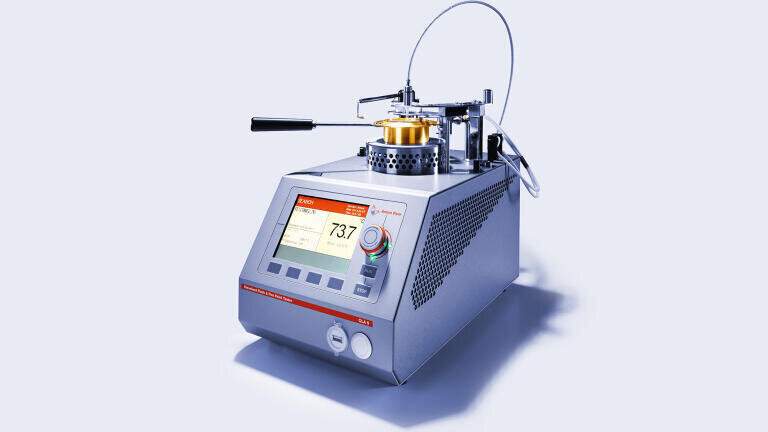
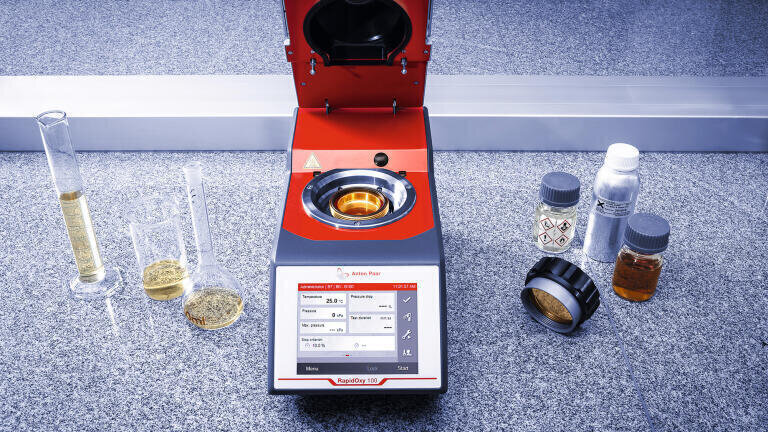
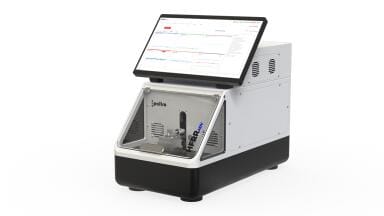
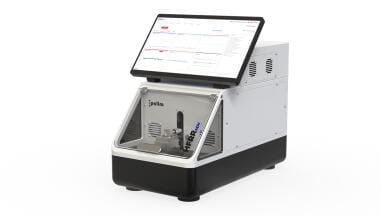
Anton Paar provides a comprehensive range of testing solutions for HVO, GTL, and EALs, ensuring compliance with international fuel and lubricant standards. Our instruments PMA 500, Diana 700, RapidOxy 100 Fuel, and Callisto 100 deliver:
✔ Highly accurate and intuitive measurements
✔ High sample throughput for increased efficiency
✔ Cost-saving features for optimized operations
Table 1: Test methods used for fuel and lubes testing.
| Characteristics | Instrument | Test Method (program) |
| Flash Point | PMA 500 | EN ISO 2719-A |
| CLA 5 | ISO 2592, ASTM D92 | |
| Distillation | Diana 700 | ISO 3405, ASTM D86 |
| Oxidation stability | RapidOxy 100 | Grease 1 (140 °C), Grease 2 (160 °C), according to ASTM D8206 |
| RapidOxy 100 Fuel | B0-B100 (140 °C), according to ASTM D7545 | |
| Cold flow properties | Callisto 100 | EN 116 |
Find out more about the measurements of different EALs, HVO and GTL in our applications reports:
Application report 1: Testing of Environmentally Acceptable Lubricants (EALs)
PIN 27.4 Aug/Sept 2026



 Product directory


.jpg)
















.jpg)